Most Common Generator Mistakes: 9 Dangerous Errors To Avoid During A Power Outage
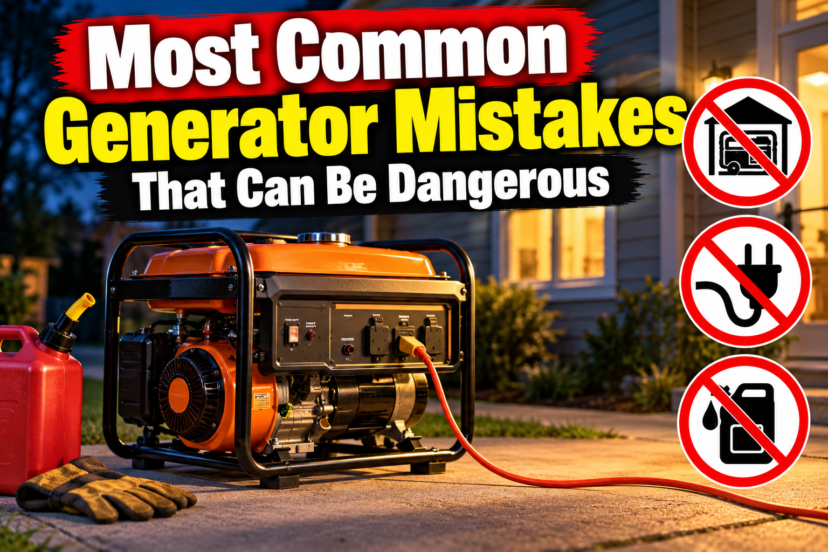
The Generator Mistake Everyone Makes
Avoid deadly carbon monoxide poisoning, severe electrical shocks, and house fires by avoiding critical missteps during a power outage. A portable generator can make a long power outage much easier to handle. It may keep a refrigerator cold, provide basic lighting, recharge phones, or run other essential equipment. But some of the most common generator mistakes can turn a useful emergency tool into a serious household hazard.
The problem is that generators are often used under difficult conditions. It may be dark, raining, freezing, or extremely hot. Families may be tired after a hurricane, winter storm, or severe thunderstorm. In that environment, shortcuts can seem reasonable.
They often are not.
Carbon monoxide poisoning, electrical shock, fire, overloaded equipment, and dangerous backfeeding are all reasons generator safety needs to be part of your preparedness plan before an outage begins.
Fortunately, safe generator use does not require becoming an electrical expert. It starts with understanding a few important mistakes and knowing when to call a professional.
⚡ Quick Answer: What Are The Most Common Generator Mistakes?
The most common generator mistakes include operating a portable generator indoors or too close to a building, connecting it directly to household wiring without proper equipment, overloading it, using unsuitable extension cords, exposing electrical connections to wet conditions, and handling fuel unsafely. Portable generators should be operated outdoors according to manufacturer and official safety instructions, with carbon monoxide precautions and proper electrical connections. Permanent home connections should be installed by a qualified electrician.
Key Takeaways
Most likely cause: Many generator accidents happen because equipment is placed too close to living spaces, connected incorrectly, overloaded, or operated without adequate planning.
Usually serious? Potentially, yes. The most common generator mistakes can create carbon monoxide poisoning, electrocution, electrical fires, equipment damage, or dangerous backfeeding into utility lines.
First thing to check: Read your generator’s manual and confirm you have a safe outdoor operating location, working carbon monoxide alarms, suitable cords, and the correct electrical setup.
Best solution: Plan generator placement, power needs, fuel storage, and electrical connections before an outage—and use a licensed electrician for permanent connections to household circuits.
☠️ Mistake 1: Running A Generator Inside A Garage Or Home
This is the generator mistake every household should understand.
Fuel-powered generators produce carbon monoxide (CO), a colorless and odorless gas that can cause severe illness or death.
Never operate a portable generator inside a house, basement, garage, shed, or another enclosed or partially enclosed space.
Opening the garage door does not make a garage a safe generator location.
Portable generators should be operated outdoors and positioned according to current manufacturer and official safety instructions, away from doors, windows, vents, and other openings where exhaust could enter the building.
The U.S. Consumer Product Safety Commission recommends operating portable generators at least 20 feet from the house, with exhaust directed away from the home and other buildings.
Among the most common generator mistakes, improper placement deserves special attention because carbon monoxide cannot be detected by smell or sight.
🏠 Mistake 2: Placing The Generator Too Close To Windows Or Doors
Putting a generator outdoors is only the first step.
If it sits immediately beside an open window, doorway, air intake, or vent, exhaust may still enter your home.
Wind direction can also affect where exhaust travels.
Before hurricane or winter-storm season, identify a suitable generator location instead of deciding after the electricity goes out.
Follow the generator manufacturer’s clearance requirements and official safety recommendations.
Make sure your home also has functioning carbon monoxide alarms. Follow manufacturer instructions for placement, testing, maintenance, and replacement.
CO alarms provide an important additional layer of protection, but they are not a substitute for correct generator placement.
🔌 Mistake 3: Backfeeding Electricity Into Your Home
One of the most common generator mistakes is also one of the most dangerous: attempting to power household wiring by plugging a generator into a wall outlet.
This practice is commonly called backfeeding. Do not do it.
Improvised backfeeding can send electricity into circuits and utility lines in unexpected ways, creating electrocution hazards for residents, neighbors, and utility workers.
If you want a portable generator to supply selected household circuits, have the appropriate equipment—such as a transfer switch or other approved connection system—installed as required by a qualified electrician and local electrical codes.
Otherwise, appliances designed to be powered directly by the generator should be connected using suitable cords according to the generator manufacturer’s instructions.
Self-reliance does not mean improvising dangerous electrical systems.
Sometimes preparedness means knowing which jobs require a professional.
🔥 Mistake 4: Refueling A Generator While It Is Hot
During an extended blackout, a generator may run for hours.
Eventually, it needs more fuel.
Do not simply grab a gasoline container and begin refueling a hot or running generator.
Gasoline spilled onto hot generator components can ignite.
Follow the manufacturer’s shutdown and refueling instructions. Generally, this means switching the generator off and allowing it to cool appropriately before adding fuel.
Keep fuel away from ignition sources.
Never smoke while handling gasoline or other generator fuels.
Also keep an appropriate fire extinguisher available and learn how to use it before an emergency.
Fuel safety is a basic part of generator preparedness—not an afterthought.
⛽ Mistake 5: Storing Generator Fuel Unsafely
A generator is not very useful without fuel, so many prepared households keep an emergency supply.
That fuel needs to be stored correctly.
Use approved containers intended for the specific fuel and follow local fire codes, manufacturer instructions, and applicable storage requirements.
Do not store gasoline casually inside living spaces or near furnaces, water heaters, electrical equipment, flames, or other ignition sources.
Fuel also does not remain unchanged forever.
If you keep gasoline as part of your emergency supplies, create a safe rotation plan appropriate for the fuel and equipment rather than forgetting about a container for years.
The goal is to have usable emergency fuel without creating another hazard around your home.
⚙️ Mistake 6: Overloading The Generator
A generator has limits. You cannot safely assume that because an appliance plug fits, the generator can power it.
Every generator has rated electrical output, and every appliance requires a certain amount of power.
Some equipment also has a higher starting or surge demand when motors or compressors switch on.
That means a refrigerator, freezer, sump pump, window air conditioner, or other motor-driven equipment may briefly require more power at startup than during normal operation.
Before an emergency, identify what you genuinely need to run.
Prioritize essentials such as:
- Refrigerator Or Freezer
- Necessary Lighting
- Phone Charging
- Communications Equipment
- Essential Medical Equipment Where Appropriate
- Other Critical Household Equipment
Check the generator manual and appliance specifications rather than guessing.
Avoiding overload is one of the easiest, most common generator mistakes to address before the power fails.
🌧️ Mistake 7: Using A Generator Or Connections Unsafely In Wet Conditions
Generators are often needed because of storms—which means rain, snow, and standing water may be present.
Electricity and water are a dangerous combination.
Do not operate or handle electrical equipment while standing in water, and do not expose connections to unsafe wet conditions.
At the same time, never solve the rain problem by moving a fuel-powered generator into a garage, porch enclosure, shed, or other unsafe location where carbon monoxide can accumulate.
Follow the manufacturer’s instructions for outdoor operation and weather protection. Use only generator covers, canopies, or other arrangements specifically designed to maintain appropriate ventilation and safe operation.
If conditions do not allow safe generator use, do not improvise.
🔌 Mistake 8: Using The Wrong Extension Cord
The inexpensive indoor extension cord behind your television may not be appropriate for generator use.
When connecting permitted equipment directly to a portable generator, use extension cords that meet the generator and appliance manufacturer’s requirements.
That can include cords rated for outdoor use and appropriately sized for the electrical load and cord length.
Inspect cords before use.
Do not use a cord with:
- Exposed Conductors
- Damaged Insulation
- Loose Connections
- Broken Ground Pins
- Melted Or Burned Areas
- Other Visible Damage
Running inappropriate or damaged cords can create overheating, shock, and fire hazards.
Buying suitable cords before an emergency also prevents you from having to use whatever happens to be available during a blackout.
🛠️ Mistake 9: Never Testing Or Maintaining The Generator
Imagine spending hundreds of dollars on a generator and discovering during a hurricane that it will not start. Emergency equipment needs maintenance.
Follow the manufacturer’s maintenance schedule, which may include oil changes, inspections, battery care, fuel-system maintenance, and periodic operation.
If your generator has been stored for a long period, inspect it before severe-weather season.
Check:
- Oil
- Fuel System
- Cords And Connections
- Visible Damage
- Starting System
- Maintenance Schedule
Run and test the generator only according to manufacturer instructions and in a safe outdoor location.
A generator that has never been tested is not a reliable emergency plan.
📋 Create A Generator Plan Before The Blackout
The safest time to learn how your generator works is on a calm, sunny day.
Not at midnight during a hurricane. Create a simple written generator plan.
Record where the unit will operate, which appliances you intend to power, which cords go with each appliance, where fuel is safely stored, and how the generator is started and shut down.
Make sure another responsible adult in the household understands the plan.
Your preparedness kit can also include:
- Generator Manual
- Suitable Extension Cords
- Work Gloves
- Flashlights Or Headlamps
- Basic Maintenance Supplies
- Approved Fuel Containers
- Fire Extinguisher
- Carbon Monoxide Alarms In The Home
Reducing confusion reduces the temptation to take shortcuts.
🚨 Know The Signs Of Carbon Monoxide Exposure
Carbon monoxide can cause symptoms including headache, dizziness, weakness, nausea, vomiting, chest pain, and confusion.
Symptoms may sometimes resemble the flu.
If a carbon monoxide alarm sounds or you suspect CO exposure, move everyone to fresh air away from the suspected source and seek emergency assistance according to official guidance.
Do not ignore an alarm or assume it is malfunctioning.
Generator safety should protect the household—not create a new emergency while you are trying to solve a power outage.
👷 When To Consult A Professional Or Follow Official Guidance
Contact a licensed electrician if you want a generator connected to your home’s electrical system, need a transfer switch or approved inlet installed, have questions about grounding or bonding requirements, or encounter damaged electrical equipment.
Do not modify your home’s wiring yourself unless you are appropriately qualified and the work complies with applicable codes.
Contact emergency services, your utility, or local authorities for downed power lines, fires, serious electrical damage, suspected carbon monoxide exposure, or other immediate hazards.
People who depend on electrically powered medical equipment should develop a backup-power plan with their healthcare provider and other appropriate professionals before an outage.
During hurricanes, wildfires, floods, winter storms, and other disasters, follow instructions from local emergency management agencies and utilities.
❓ Frequently Asked Questions
How Far Should A Generator Be From The House?
The U.S. Consumer Product Safety Commission recommends operating portable generators at least 20 feet from the house, with exhaust directed away from the home and other buildings. Also follow the generator manufacturer’s specific instructions.
Can I Run A Generator In My Garage With The Door Open?
No. A garage is not considered a safe operating location for a portable fuel-powered generator simply because the door is open. Carbon monoxide can accumulate or enter the home.
Can I Plug A Generator Into A Wall Outlet?
No. Plugging a portable generator into a household outlet to energize home wiring can create dangerous backfeeding. A properly designed home connection requires approved equipment installed according to applicable codes, generally by a qualified electrician.
Can A Generator Run In The Rain?
Electrical equipment must be protected from unsafe wet conditions, but a generator must also remain outdoors with safe ventilation. Follow the manufacturer’s instructions for weather protection and never move a running generator indoors to keep it dry.
Can I Refuel A Generator While It Is Running?
Do not refuel a running or hot generator. Follow the manufacturer’s shutdown and cooling instructions before adding fuel because spilled fuel can ignite on hot components.
What Happens If I Overload My Generator?
Overloading may trip protective devices, cause overheating, damage equipment, or create other electrical hazards. Calculate the loads you intend to operate and stay within the generator manufacturer’s ratings.
Should I Leave My Generator Running Overnight?
Do not treat unattended overnight operation as automatically safe. Follow the manufacturer’s operating instructions and consider fuel, weather, carbon monoxide, electrical load, security, and monitoring. Never compromise proper outdoor placement simply to keep the generator closer to the house.
🏡 Safe Generator Use Is Part Of Real Self-Reliance
Avoiding the most common generator mistakes does not require complicated survival training.
It requires preparation. Know where the generator will operate. Install working carbon monoxide alarms. Buy the right cords. Understand the generator’s electrical limits. Store fuel safely. Learn the correct starting, shutdown, and refueling procedures.
Most importantly, never improvise a dangerous connection because the power is out.
A generator can be an excellent addition to a family preparedness plan, especially in areas affected by hurricanes, winter storms, severe thunderstorms, and frequent outages.
But the goal of preparedness is not simply to keep appliances running.
It is to keep your family safe.
Spend an afternoon learning your equipment now, and the next time the neighborhood goes dark, you will be able to use your backup power with greater confidence, less stress, and far fewer unnecessary risks.
Disclaimer: This article is for general educational and preparedness purposes only. Generator designs, household electrical systems, emergency conditions, regional regulations, and local electrical and fire codes vary. Always follow local laws, official safety and emergency guidance, utility requirements, and your generator manufacturer’s instructions. Use qualified professionals for electrical installations and other work that may create significant safety risks.
Explore more:
- First Hour Blackout Survival: What To Do
- Charge Phone Without Power: 7 Reliable Ways
- Best Emergency Flashlight: What To Look For