Emergency Food Supply: How To Build A One-Month Food Reserve On A Budget
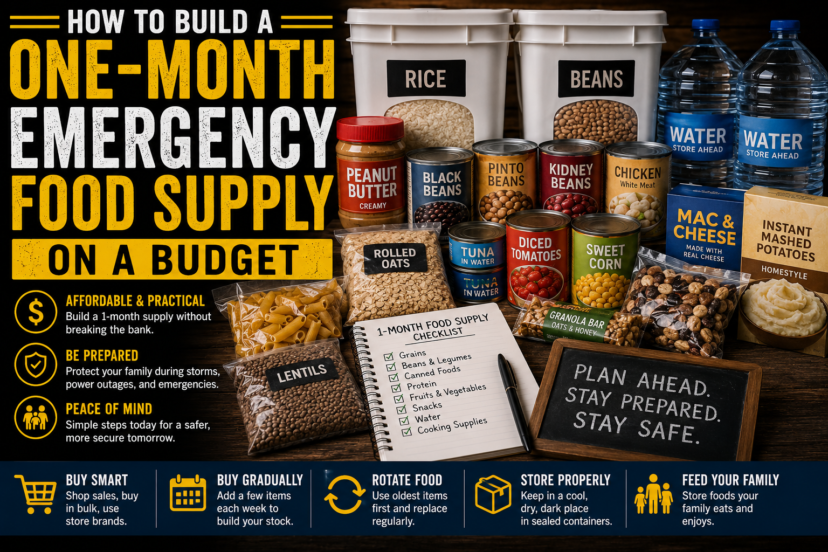
Unexpected emergencies can disrupt everyday life with little warning. Hurricanes, winter storms, wildfires, power outages, and supply chain disruptions have shown many families just how quickly grocery store shelves can empty. The good news is that building an emergency food supply doesn’t require expensive survival kits or thousands of dollars. With a practical plan and a few smart shopping habits, you can gradually create a one-month food reserve that provides peace of mind and greater self-reliance.
Preparedness isn’t about fear. It’s about knowing your family has options when life becomes unpredictable. Even small steps today can help reduce stress and create confidence for the future.
⭐ Quick Answer: Emergency Food Supply
An emergency food supply can be built affordably by gradually purchasing shelf-stable foods your family already eats. Focus on rice, beans, pasta, canned goods, oats, peanut butter, and other inexpensive pantry staples while rotating supplies regularly.
Key Takeaways
Most likely cause: Many households don’t have enough shelf-stable food stored to remain self-sufficient during emergencies or temporary supply disruptions.
Usually serious? It can be. A limited food supply during a disaster or extended outage may increase stress and make it harder to meet your family’s nutritional needs.
First thing to check: Review your pantry to determine how many days your current food supply would last, and identify any gaps in essential staples or expired items.
Best solution: Build your emergency food supply gradually by purchasing affordable, shelf-stable foods your family already eats, store them properly, and rotate your inventory regularly to keep everything fresh and ready.
🥫 Why Every Family Needs An Emergency Food Supply
A food reserve helps protect your household during situations such as:
- Power Outages
- Hurricanes
- Winter Storms
- Flooding
- Wildfires
- Supply Chain Disruptions
- Temporary Financial Hardships
- Community Emergencies
Having an emergency food supply can reduce anxiety and eliminate the need for panic buying.
Benefits Of A One-Month Food Supply
- Greater Peace Of Mind
- Improved Self-Reliance
- Reduced Grocery Stress
- Better Disaster Preparedness
- Protection During Shortages
- Budget-Friendly Security
Preparedness doesn’t mean expecting disaster—it means preparing responsibly.
⚡ Why Build A One-Month Emergency Food Supply?
Many emergency organizations recommend maintaining several days of food and water. Expanding that reserve to one month provides additional flexibility.
A one-month supply can help families during:
Extended Power Outages
Severe storms may leave communities without electricity for days.
Supply Chain Problems
Temporary shortages can occur unexpectedly.
Severe Weather Events
Hurricanes and winter storms sometimes limit access to stores.
Financial Emergencies
Stored food can help stretch household budgets during difficult times.
🍚 Start With Affordable Pantry Staples
Building an emergency food supply does not require specialty survival foods.
Focus first on foods your family already uses.
Rice
Rice is inexpensive, versatile, and stores well.
Popular choices include:
- White Rice
- Jasmine Rice
- Long-Grain Rice
Dry Beans
Beans provide protein and fiber.
Good options include:
- Pinto Beans
- Black Beans
- Kidney Beans
- Lentils
Pasta
Pasta is affordable and easy to store.
Oatmeal
Oats provide long-lasting energy and can be used for breakfast or baking.
Peanut Butter
Peanut butter offers:
- Protein
- Healthy Fats
- Calories
🥫 Add Canned Foods To Your Emergency Food Supply
Canned goods are convenient because many can be eaten without cooking.
Consider adding:
Canned Vegetables
Examples include:
- Corn
- Green Beans
- Peas
- Carrots
Canned Fruit
Popular choices include:
- Peaches
- Pears
- Pineapple
- Mixed Fruit
Canned Protein Sources
Helpful options include:
- Tuna
- Chicken
- Salmon
- Chili
Soups And Stews
Ready-to-eat meals can simplify emergencies.
💧 Don’t Forget Water Storage
Food is important, but water is even more critical.
Water can be used for:
- Drinking
- Cooking
- Basic Hygiene
Store water in:
- Commercial Bottles
- Food-Grade Containers
- Emergency Water Storage Tanks
Rotating stored water regularly helps maintain freshness.
💰 Build Your Emergency Food Supply On A Budget
Many people assume preparedness is expensive, but gradual progress works surprisingly well.
Buy A Few Extra Items Each Week
Adding two or three products during normal grocery trips quickly adds up.
Shop Sales
Bulk discounts and seasonal promotions can reduce costs.
Use Store Brands
Generic products often provide excellent value.
Avoid Panic Buying
Slow and steady preparation is usually the most affordable strategy.
Purchase Foods You Already Eat
This reduces waste and simplifies rotation.
📦 Organize Your Food Storage Properly
Proper storage helps maximize shelf life.
Store foods in:
- Cool Areas
- Dry Locations
- Dark Spaces
Avoid:
- Extreme Heat
- Moisture
- Direct Sunlight
Label Supplies
Include:
- Purchase Dates
- Expiration Dates
Rotate Inventory
Use the oldest items first and replace them regularly.
🌪️ Emergency Food Supply Ideas For Different U.S. Disasters
Different regions face different challenges.
Hurricanes
Families along the Gulf Coast may prepare for prolonged outages.
Helpful foods include:
- Ready-To-Eat Meals
- Peanut Butter
- Granola Bars
Winter Storms
Northern states benefit from:
- Oatmeal
- Soup
- Pasta
- Shelf-Stable Milk
Wildfires
Western states may prioritize:
- Portable Snacks
- Lightweight Foods
- Evacuation Supplies
Power Outages
Shelf-stable foods remain useful when refrigeration is unavailable.
🏠 One-Month Emergency Food Supply Example
Many households start with simple staples:
Grains
- Rice
- Pasta
- Oatmeal
Protein Sources
- Beans
- Peanut Butter
- Canned Meat
Fruits And Vegetables
- Canned Fruit
- Canned Vegetables
Comfort Foods
- Coffee
- Tea
- Crackers
- Snacks
Preparedness should fit your family’s preferences and dietary needs.
🔄 Rotate Your Emergency Food Supply
Stored food works best when integrated into daily life.
Simple rotation tips:
- Use Older Products First
- Replace Items After Use
- Inspect Supplies Twice Yearly
- Track Expiration Dates
A rotating pantry helps prevent waste.
🏙️ Better Urban Survival Strategies Beyond Food
Preparedness is about more than groceries.
Consider adding:
- Flashlights
- Battery Chargers
- Emergency Radios
- First Aid Kits
- Water Storage
- Important Documents
Layering multiple preparedness systems creates stronger resilience.
👨🔧 When To Consult A Professional
Seek guidance from qualified professionals for food safety concerns, medical dietary requirements, water contamination issues, utility emergencies, or severe disasters.
Always follow recommendations from:
- Local Emergency Management Agencies
- Healthcare Providers
- Utility Companies
- Fire Departments
- FEMA Alerts
- Weather Authorities
Professional guidance should always take priority during emergencies.
❓ FAQs: Emergency Food Supply
How much food should a family store for emergencies?
Many families begin with several days of supplies and gradually work toward one month or more.
What foods are best for an emergency food supply?
Rice, beans, pasta, canned goods, oats, peanut butter, and shelf-stable foods are popular choices.
How often should emergency food be rotated?
Checking supplies every six months helps maintain freshness.
Is freeze-dried food necessary?
No. Grocery store foods can provide excellent preparedness value.
Can I build an emergency food supply on a tight budget?
Yes. Buying a few extra items during normal shopping trips is an effective strategy.
How much water should I store?
Water needs vary, but maintaining several days of drinking water is a common preparedness goal.
What is the biggest mistake people make?
Waiting until an emergency occurs before preparing.
🎯 Final Thoughts
Building an emergency food supply is one of the smartest and most practical preparedness projects any family can undertake. You don’t need expensive survival gear or massive stockpiles to improve your readiness.
Start small. Buy a few extra pantry items each week, rotate your supplies, and focus on foods your family already enjoys. Over time, you’ll create a reliable reserve that provides peace of mind and greater confidence during uncertain times.
Preparedness isn’t about fear—it’s about protecting the people you love and building a more resilient future.
Disclaimer
This article is for general educational and preparedness purposes only. Emergency needs, regional risks, food safety recommendations, and local regulations may vary. Always follow local laws, official guidance, manufacturer instructions, and recommendations from qualified professionals when making preparedness decisions.
 Explore more: