Emergency Lighting: 15 Reliable Options That Work During Blackouts
Power outages rarely happen at a convenient time. Whether they’re caused by hurricanes, winter storms, wildfires, severe thunderstorms, equipment failures, or other unexpected events, suddenly losing electricity can leave your family feeling vulnerable. Something as simple as finding the bathroom or safely preparing food becomes much harder when darkness takes over. The good news is that building a dependable emergency lighting plan doesn’t require expensive equipment or survival expertise. A few smart purchases, proper preparation, and routine maintenance can dramatically improve your family’s safety, confidence, and peace of mind during emergencies.
This guide covers practical emergency lighting options that work for apartments, suburban homes, and urban households across the United States.
⭐ Quick Answer: Emergency Lighting
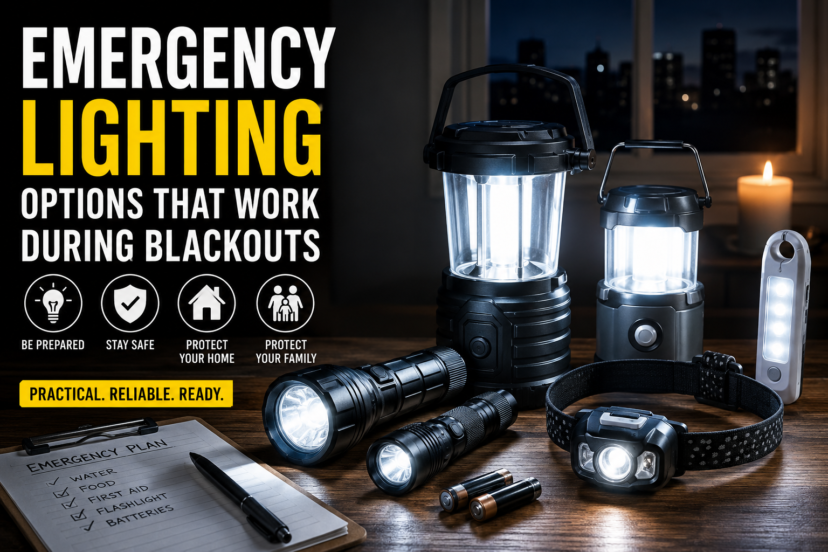
The best emergency lighting setup combines multiple backup light sources instead of relying on just one. LED flashlights, battery-powered lanterns, rechargeable lights, headlamps, solar-powered lights, and battery backups provide dependable illumination during power outages while offering flexibility for different situations.
Key Takeaways
Most likely cause: Most households rely entirely on electricity for lighting and don’t have enough reliable backup light sources for unexpected power outages.
Usually serious? It can be. Poor lighting during an outage increases the risk of falls, injuries, and difficulty performing essential tasks, especially at night.
First thing to check: Make sure you have working flashlights, lanterns, fresh or rechargeable batteries, and backup lighting stored in easy-to-find locations throughout your home.
Best solution: Create a layered emergency lighting plan using LED flashlights, battery-powered lanterns, headlamps, rechargeable lights, and solar-powered options, then test and maintain them regularly so they’re ready when needed.
💡 Why Emergency Lighting Matters During Blackouts
When the lights suddenly go out, visibility becomes more than a convenience—it becomes a safety issue.
Reliable emergency lighting helps you:
- Prevent trips and falls
- Safely evacuate if necessary
- Care for children or older adults
- Locate emergency supplies
- Prepare meals safely
- Read important information
- Reduce anxiety during stressful situations
Many emergency management agencies recommend every household prepare for outages lasting at least 72 hours. Having dependable lighting is one of the easiest and most affordable preparedness upgrades you can make.
🔦 Best Emergency Lighting Options For Every Home
LED Flashlights
Every household should own several quality LED flashlights.
Benefits include:
- Long battery life
- Bright illumination
- Compact size
- Affordable pricing
- Durable construction
Store flashlights in:
- Bedrooms
- Kitchen drawers
- Vehicles
- Emergency kits
- Near electrical panels
Avoid storing every flashlight in one location.
Battery-Powered Lanterns
Lanterns illuminate entire rooms rather than a narrow beam.
They’re excellent for:
- Family gatherings
- Cooking
- Board games
- Reading
- Power outage dinners
LED lanterns use very little electricity and often operate for dozens of hours on one set of batteries.
Rechargeable Emergency Lighting
Modern rechargeable lights eliminate the need to constantly replace batteries.
Popular options include:
- USB rechargeable lanterns
- Rechargeable flashlights
- Rechargeable work lights
- Magnetic inspection lights
Many models can also recharge using portable power stations or solar panels.
Headlamps
Headlamps keep both hands free.
They’re perfect for:
- Repairs
- First aid
- Walking pets
- Carrying supplies
- Cooking
- Cleaning after storms
Every emergency kit should include at least one quality headlamp.
☀️ Solar Emergency Lighting Options
Solar-powered lighting has become much more practical over the past few years.
Useful options include:
- Solar camping lanterns
- Solar floodlights
- Solar garden lights
- Solar charging kits
Although weather affects charging performance, these lights provide valuable backup during prolonged outages.
Many homeowners even bring outdoor solar pathway lights inside during blackouts to illuminate hallways and bathrooms.
🔋 Battery Backup Lighting Solutions
Some lights automatically activate when power fails.
Examples include:
- Plug-in emergency lights
- Exit-style emergency fixtures
- Battery backup LED bulbs
- Motion-activated emergency lights
These are especially useful for:
- Stairways
- Hallways
- Basements
- Garages
Automatic activation reduces confusion during sudden nighttime outages.
🏠 Build A Layered Emergency Lighting Plan
Rather than relying on one device, create layers of lighting throughout your home.
Primary Lighting
- LED lanterns
- Rechargeable lanterns
Personal Lighting
- Flashlights
- Headlamps
Backup Lighting
- Solar lanterns
- Battery backup bulbs
- Glow sticks
Outdoor Lighting
- Solar pathway lights
- Rechargeable floodlights
This layered approach provides redundancy if one option fails.
⚡ Emergency Lighting For Different Disaster Scenarios
Different emergencies create different lighting needs.
Hurricanes
Prepare for:
- Multi-day outages
- Flooding
- High humidity
Choose waterproof lights whenever possible.
Winter Storms
Cold weather reduces battery performance.
Store spare batteries indoors where temperatures remain moderate.
Wildfires
Fast evacuations require portable lighting.
Keep flashlights inside every vehicle and emergency evacuation bag.
Severe Thunderstorms
Brief outages happen frequently.
Rechargeable flashlights near beds provide immediate access overnight.
🛒 Affordable Emergency Lighting On Any Budget
Preparedness doesn’t have to be expensive.
A simple starter kit might include:
- Two LED flashlights
- One LED lantern
- One headlamp
- Extra batteries
- Battery organizer
As your budget allows, gradually add:
- Solar lanterns
- Rechargeable lights
- Portable power station
- Battery backup bulbs
Buying gradually spreads costs while steadily improving readiness.
🔧 How To Maintain Your Emergency Lighting
Prepared equipment is dependable equipment.
Every six months:
- Replace old batteries.
- Recharge rechargeable devices.
- Test every flashlight.
- Inspect battery compartments for corrosion.
- Verify brightness.
- Replace damaged lights.
Many families perform these checks when changing smoke detector batteries.
🚫 Common Emergency Lighting Mistakes
Avoid these common errors:
- Depending on only one flashlight
- Forgetting spare batteries
- Leaving rechargeable lights discharged
- Using candles as the primary light source
- Storing lights where they’re difficult to find
- Ignoring maintenance
A little preparation today prevents frustration later.
🛡️ Emergency Lighting Safety Tips
Follow these simple safety practices:
- Keep lights accessible in every bedroom.
- Label storage locations.
- Store batteries in a cool, dry place.
- Use manufacturer-approved chargers.
- Never overload extension cords.
- Keep lighting away from standing water.
- Supervise children using portable lights.
Safe preparation helps protect everyone during stressful situations.
👨🔧 When To Consult A Professional
Most portable emergency lighting solutions are simple for homeowners to use. However, seek guidance from qualified professionals when installing hardwired emergency lighting systems, battery backup electrical fixtures, standby generators, or major electrical upgrades. During severe disasters, always follow instructions from local emergency management officials and utility providers. If someone experiences injuries, carbon monoxide exposure, electrical shock, or other medical concerns during a blackout, contact emergency services or a qualified medical professional immediately.
❓ FAQs: Emergency Lighting
1. What is the best emergency lighting for home blackouts?
A combination of LED flashlights, battery-powered lanterns, rechargeable lights, and headlamps provides the most reliable emergency lighting setup.
2. How many flashlights should every family own?
Experts generally recommend multiple flashlights, so each family member has easy access during a blackout.
3. Are rechargeable lights better than battery-powered lights?
Both have advantages. Rechargeable lights reduce battery costs, while battery-powered lights can continue working if spare batteries are available.
4. Are candles recommended during power outages?
Candles increase fire risk and generally should not be your primary emergency lighting source. Battery-powered LED lights are usually much safer.
5. How long do LED emergency lanterns last?
Many quality LED lanterns provide 20 to 100 hours of light depending on brightness settings and battery capacity.
6. Can solar lights work during extended outages?
Yes. Solar-powered lighting can recharge during daylight, making it valuable during prolonged power outages if weather conditions allow.
7. Where should emergency lighting be stored?
Keep lighting in easily accessible locations such as bedrooms, kitchens, emergency kits, vehicles, and near main exits.
🎯 Final Thoughts
Building a dependable emergency lighting plan is one of the easiest ways to improve your family’s preparedness. You don’t need expensive equipment or complicated survival skills to make a meaningful difference. A few reliable flashlights, lanterns, headlamps, and backup power options can help your household stay safer, calmer, and more confident during unexpected blackouts.
Preparedness is built one small step at a time. By investing in dependable lighting today, you’re creating greater peace of mind and resilience for tomorrow—no matter what challenges come your way.
Disclaimer: This article is for general educational and preparedness purposes only. Emergency needs, building codes, weather risks, and local regulations vary by location. Always follow official guidance from emergency management authorities, utility providers, and local officials, and carefully follow all manufacturer instructions when using emergency lighting equipment or electrical devices.
 Explore more: