Best Emergency Snacks: 21 Smart Snacks To Keep In Your Home And Car
Whether you’re stuck in traffic during a winter storm, sheltering at home during a power outage, or waiting out a hurricane, having the best emergency snacks on hand can make a stressful situation much more manageable. Emergencies rarely happen at convenient times, and grocery stores can quickly run out of supplies when severe weather or other disasters strike. Keeping a selection of shelf-stable, nutritious snacks in your home and vehicle helps your family stay energized, comfortable, and prepared without requiring refrigeration or cooking.
The good news is that building an emergency snack supply doesn’t require expensive survival food or specialty products. Many of the best options are already available at your local grocery store. By choosing foods with long shelf lives, high energy value, and easy portability, you can become more self-reliant, reduce stress during unexpected situations, and gain greater confidence knowing your family has reliable food when it matters most.
🍽️ Quick Answer: Best Emergency Snacks
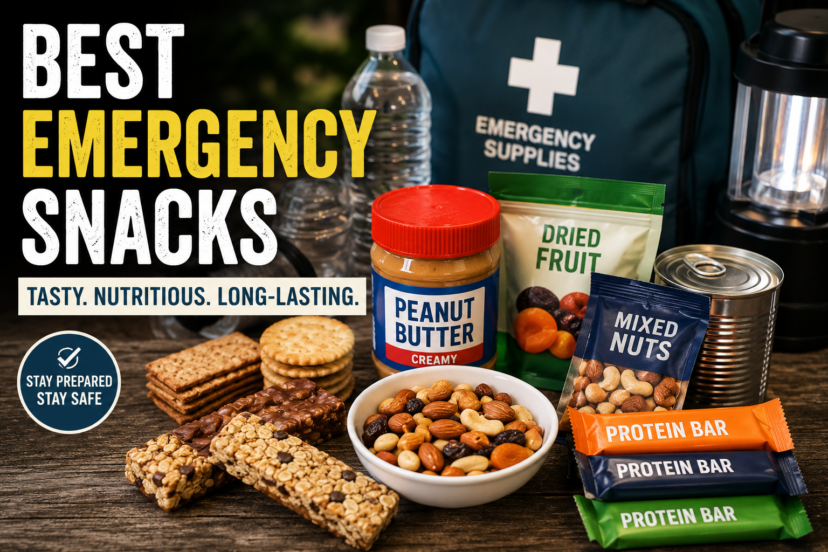
The best emergency snacks include protein bars, trail mix, peanut butter, crackers, beef jerky, dried fruit, mixed nuts, granola bars, applesauce pouches, canned tuna with crackers, shelf-stable cheese, and emergency food bars. Choose snacks that require no refrigeration, have a long shelf life, provide a balance of carbohydrates, protein, and healthy fats, and are easy to eat without cooking.
Key Takeaways
Most Likely Cause: Many families overlook best emergency snacks when building emergency kits, focusing only on full meals.
Usually Serious? While not life-threatening by themselves, having nutritious snacks can help maintain energy, reduce stress, and improve comfort during emergencies.
First Thing To Check: Look for shelf-stable snacks with long expiration dates that your family already enjoys eating.
Best Solution: Build a rotating supply of portable, high-energy snacks for both your home emergency pantry and every family vehicle.
🏠 Why Emergency Snacks Matter
During emergencies, regular meal schedules often disappear.
You may experience:
- Power outages
- Road closures
- Long evacuation delays
- Emergency shelter stays
- Travel disruptions
- Supply shortages
Quick snacks help keep everyone energized until regular meals are available again.
They’re especially valuable for:
- Children
- Seniors
- Commuters
- Outdoor workers
- Emergency travel
Small, familiar snacks can also improve morale during stressful situations.
🥜 What Makes The Best Emergency Snacks?
Not every snack belongs in an emergency kit.
Look for foods that are:
- Shelf stable
- Easy to carry
- High in calories
- Rich in protein or healthy fats
- Ready to eat
- Low maintenance
- Family friendly
Ideally, they should also tolerate temperature changes if stored in a vehicle.
🍫 1. Protein Bars
Protein bars are among the most popular emergency snacks.
Benefits include:
- Long shelf life
- No preparation
- Easy portability
- High protein
- Good energy source
Choose bars with lower sugar whenever possible.
🥜 2. Mixed Nuts
Nuts provide:
- Healthy fats
- Protein
- Calories
- Minerals
Good choices include:
- Almonds
- Cashews
- Peanuts
- Pistachios
- Walnuts
Store in sealed containers and rotate regularly.
🌰 3. Trail Mix
Trail mix combines:
- Nuts
- Seeds
- Raisins
- Dried fruit
It’s lightweight, filling, and excellent for emergency kits.
🍖 4. Beef Jerky
Jerky offers:
- High protein
- Long shelf life
- Lightweight packaging
Look for lower-sodium options when possible.
🍎 5. Dried Fruit
Dried fruit provides:
- Natural sugars
- Fiber
- Vitamins
Popular options include:
- Raisins
- Apricots
- Mango
- Cranberries
- Apples
Pair dried fruit with nuts for balanced nutrition.
🥜 6. Peanut Butter
Individual peanut butter packets are excellent for emergency kits.
They provide:
- Protein
- Healthy fats
- Calories
Enjoy with crackers or tortillas.
🍪 7. Crackers
Whole grain crackers are:
- Easy to store
- Versatile
- Filling
Vacuum-sealed packages stay fresh longer.
🥫 8. Tuna Or Chicken Pouches
Shelf-stable pouches provide convenient protein.
No can opener required.
Pair them with:
- Crackers
- Tortillas
🍏 9. Applesauce Pouches
These are especially helpful for:
- Young children
- Seniors
They’re portable and require no refrigeration until opened.
🧀 10. Shelf-Stable Cheese
Shelf-stable cheese products are available in many grocery stores.
They add protein and variety to emergency meals.
🍯 11. Honey Packets
Honey provides:
- Quick energy
- Long shelf life
Small packets fit easily inside emergency kits.
🥣 12. Instant Oatmeal Cups
If hot water is available, oatmeal provides a warm, filling snack.
Single-serving packets are easy to store.
🍫 13. Emergency Food Bars
Emergency ration bars are designed specifically for disasters.
Advantages include:
- High calories
- Long shelf life
- Heat-resistant packaging
- Compact storage
They’re excellent backup foods.
🚗 Best Emergency Snacks For Your Car
Vehicle kits should include foods that tolerate changing temperatures.
Good choices include:
- Emergency ration bars
- Jerky
- Trail mix
- Nuts
- Crackers
- Protein bars
- Peanut butter packets
Avoid foods that melt easily, such as chocolate during summer.
Rotate vehicle snacks several times each year.
🏡 Best Emergency Snacks For Your Home
At home, you have more storage options.
Consider:
- Granola bars
- Canned fruit
- Peanut butter
- Crackers
- Shelf-stable milk
- Popcorn
- Pretzels
- Rice cakes
- Dried fruit
- Nuts
Store snacks alongside your emergency food pantry.
💧 Don’t Forget Water
Even the best snacks require adequate hydration.
Preparedness experts generally recommend storing:
- One gallon of water per person per day
Also include:
- Bottled water
- Water filters
- Purification tablets
Water remains the highest priority in every emergency kit.
🔄 Rotate Snacks Regularly
Emergency snacks should become part of your normal grocery routine.
Every six months:
- Check expiration dates.
- Replace older snacks.
- Restock vehicle kits.
- Inspect packaging.
Rotation reduces waste and keeps supplies fresh.
💰 Build Your Snack Supply On A Budget
Preparedness doesn’t have to be expensive.
Each grocery trip, add:
- One box of protein bars
- One jar of peanut butter
- One bag of trail mix
- One package of crackers
- One bag of nuts
Within a few months, you’ll have an excellent emergency snack supply.
🚫 Common Emergency Snack Mistakes
Avoid these common problems:
- Buying foods nobody likes
- Forgetting water
- Ignoring allergies
- Choosing snacks that melt easily
- Never rotating supplies
- Forgetting children’s preferences
- Leaving snacks in extreme heat too long
Simple planning prevents unnecessary waste.
🌪️ Match Snacks To Local Emergencies
Different disasters create different needs.
Hurricanes
Portable snacks for extended outages.
Winter Storms
Higher-calorie comfort foods.
Wildfires
Lightweight grab-and-go snacks.
Earthquakes
Compact foods stored in sturdy containers.
Customize your supplies based on your region.
👨🔧 When To Consult A Professional
Emergency preparedness sometimes requires professional advice. Follow recommendations from your local emergency management agency regarding disaster planning, evacuation procedures, and emergency alerts. Consult healthcare professionals if family members have food allergies, diabetes, or medical conditions that require specialized nutrition during emergencies. If you depend on electrically powered medical equipment or refrigerated medications, speak with your healthcare provider about emergency backup plans. During severe disasters, always follow instructions from local officials and emergency responders.
❓ Frequently Asked Questions
What are the best emergency snacks?
Protein bars, trail mix, nuts, jerky, peanut butter, crackers, dried fruit, applesauce pouches, and emergency food bars are among the best choices.
How long do emergency snacks last?
Many shelf-stable snacks last from several months to over two years, depending on the product and storage conditions.
Can I leave emergency snacks in my car?
Yes, but choose heat-tolerant snacks and replace them regularly if exposed to extreme temperatures.
What snacks are best for children during emergencies?
Granola bars, applesauce pouches, crackers, peanut butter, dried fruit, and familiar snacks children already enjoy.
Should emergency snacks replace meals?
No. Snacks help maintain energy between meals or during short-term emergencies but should complement a complete emergency food supply.
How often should I replace emergency snacks?
Inspect your supplies every six months and rotate items before they expire.
Are emergency food bars worth buying?
Yes. Emergency food bars offer long shelf lives, compact storage, and high calorie content, making them an excellent backup option.
🎯 Final Thoughts On Best Emergency Snacks
Keeping the best emergency snacks in your home and car is one of the simplest ways to improve your family’s emergency preparedness. A small investment in shelf-stable, nutritious snacks can make power outages, evacuation delays, severe weather, and unexpected travel disruptions much easier to manage.
Preparedness doesn’t require expensive gear or years of planning. By gradually building a supply of snacks your family already enjoys, rotating them regularly, and storing them in convenient locations, you’ll increase your self-reliance and gain valuable peace of mind. Every snack you add to your emergency kit is another step toward protecting your family during life’s unexpected challenges.
⚠️ Disclaimer
This article is for general educational and preparedness purposes only and should not be considered professional emergency, medical, legal, or nutritional advice. Emergency food needs, dietary requirements, allergies, local hazards, and regulations vary by household and location. Always follow guidance from local emergency management officials, healthcare providers, and other qualified professionals, and store and consume food according to manufacturer instructions and applicable laws.
 Explore more:
- What To Pack In A Bug Out Bag
- Longest Shelf Life Foods: 25 Best Foods To Store
- Emergency Food Storage Calculator