
What To Pack In A Bug Out Bag
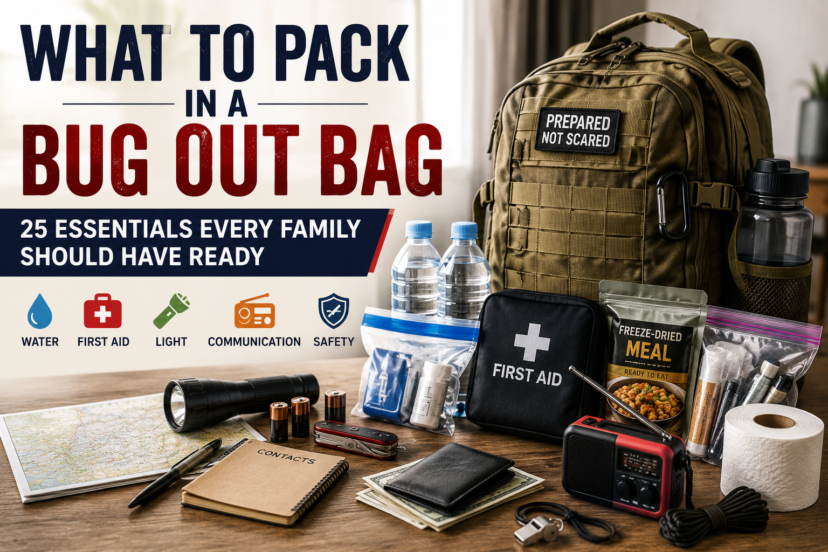
🌟 25 Essentials Every Family Should Have Ready
What to pack in a bug-out bag? An emergency rarely gives you time to organize. A wildfire can trigger an evacuation with little warning. A hurricane can knock out electricity and water. A winter storm may close roads, while a chemical spill, gas leak, or neighborhood emergency could force your family to leave home quickly.
That is why understanding what to pack in a bug out bag is such a practical part of emergency preparedness. You do not need military equipment, expensive survival gadgets, or a garage full of supplies. You need a manageable bag containing the essentials that can help you stay hydrated, fed, warm, informed, and reasonably comfortable until you reach a safer location.
A well-planned emergency evacuation bag can also provide something less tangible but equally valuable: confidence. When you know important supplies are already organized and ready to grab, an uncertain situation becomes a little easier to manage.
🎒 Quick Answer: What To Pack In A Bug Out Bag
A practical bug out bag should contain enough essential supplies to help you manage roughly 72 hours away from home, while recognizing that official recommendations may vary by emergency and location. Focus first on water, food, medications, basic first aid, weather protection, communication, lighting, sanitation, important documents, cash, and personal necessities.
Keep the bag light enough that you can actually carry it during an evacuation.
Key Takeaways
- Most likely cause: A bug out bag is designed for situations where a wildfire, hurricane, flood, utility emergency, evacuation order, or other disruption requires you to leave home quickly.
- Usually serious? Not every evacuation becomes a major disaster, but being unprepared can make even a short emergency considerably more stressful.
- First thing to check: When deciding what to pack in a bug out bag, start with your family’s basic needs—water, medications, food, shelter, communication, clothing, and important documents.
- Best solution: Build a lightweight, personalized evacuation kit, store it somewhere accessible, and inspect it several times a year.
🏠 Why Every Household Should Consider A Bug Out Bag
The purpose of a bug out bag is not to prepare you for living indefinitely in the wilderness. For most American families, it is an evacuation bag.
Imagine being told that a wildfire is moving toward your neighborhood and you should leave immediately. You may have only minutes to load the car.
Similar situations can happen during hurricanes along the Gulf and Atlantic coasts, flooding, earthquakes, tornado damage, extended power outages, industrial accidents, and severe winter weather.
Without preparation, people often waste valuable time looking for medications, chargers, flashlights, identification, clothes, and bottled water.
Having a bag ready reduces those decisions.
The goal is simple: grab the bag and concentrate on getting everyone somewhere safe.
💧 1. Pack Water And A Safe Way To Get More
Water should be near the top of any bug out bag checklist.
Emergency guidance commonly emphasizes storing water because municipal supplies can become unavailable or unsafe after major disasters. However, carrying several days of water on foot quickly becomes impractical because water weighs about eight pounds per gallon.
A realistic evacuation bag might include:
- Bottled water appropriate for what you can comfortably carry
- A durable refillable water bottle
- A commercially available water filter
- Water purification supplies used according to manufacturer directions
- A collapsible water container
Think of the water you carry as your immediate supply rather than your only source.
If you are evacuating by vehicle, you can keep additional bottled water in a separate emergency container and rotate it regularly.
🍲 2. Choose Lightweight Emergency Food
Knowing what to pack in a bug out bag also means understanding what not to pack.
Heavy canned foods and complicated meals can add unnecessary weight. Choose foods that are shelf-stable, calorie-dense, familiar, and easy to eat without cooking.
Useful possibilities include:
- Protein or energy bars
- Nut or seed butter packets
- Dried fruit
- Crackers
- Shelf-stable snacks
- Ready-to-eat meals
- Foods appropriate for children or dietary restrictions
Check expiration dates periodically.
If a food requires a can opener, cooking equipment, large amounts of water, or extensive preparation, consider whether it really belongs in your evacuation kit.
🩹 3. Add A Basic First Aid Kit
A compact first aid kit can help manage minor cuts, blisters, scrapes, and other everyday problems while traveling or waiting for assistance.
Consider including:
- Adhesive bandages
- Sterile gauze
- Medical tape
- Antiseptic wipes
- Disposable gloves
- Tweezers
- Basic first aid instructions
- Any personal medical supplies you routinely require
Prescription medications deserve special attention.
Talk with your pharmacist or healthcare professional about maintaining an appropriate emergency supply when possible. Keep medications properly labeled and follow storage requirements, particularly for medications affected by heat or refrigeration.
💊 4. Pack Personal Medications And Health Information
Generic emergency kits often overlook the items that matter most to an individual household.
Your emergency bag may need prescription medication, spare glasses, contact lens supplies, hearing aid batteries, mobility-related supplies, or other personal health necessities.
Include a written list containing essential medical information and medications.
For children, older adults, or anyone who depends on medical equipment, your emergency plan may need to go beyond a standard 72-hour bag.
A good bug out bag should be built around your household, not an internet checklist.
🔦 5. Carry Reliable Emergency Lighting
A power outage becomes considerably more difficult after sunset.
A lightweight LED flashlight or headlamp should be part of most emergency evacuation kits. Headlamps are especially convenient because they leave both hands free.
Consider packing:
- LED flashlight
- Headlamp
- Spare compatible batteries
- Small battery-powered lantern
Avoid relying entirely on your smartphone flashlight. Your phone battery may be more valuable for emergency calls, alerts, maps, and contacting family members.
📻 6. Have More Than One Communication Option
Cellular networks can become overloaded or damaged during major emergencies.
A battery-powered or hand-crank emergency radio can provide another way to receive weather information and official instructions.
Your communication supplies might include:
- Smartphone
- Charging cable
- Fully charged power bank
- Emergency radio
- Written emergency contacts
- Local paper map
Write important telephone numbers on paper. Many of us no longer memorize phone numbers, which becomes a problem if a phone is lost, damaged, or out of power.
🔋 7. Pack Backup Power For Essential Electronics
A small USB power bank can be one of the most useful items in a modern bug out bag.
Keep it charged and make sure you have the correct cables for your devices.
If your household depends on powered medical equipment, however, a small consumer power bank may not be enough. Develop a more detailed backup-power and evacuation plan with the appropriate healthcare professionals, equipment providers, utilities, and emergency authorities.
Do not wait until the electricity fails to determine what your equipment requires.
🧥 8. Add Clothing And Weather Protection
When determining what to pack in a bug out bag, think about the climate where you actually live.
Someone evacuating during a Minnesota winter needs a very different kit from someone leaving coastal Florida before a hurricane.
Useful basics may include:
- Extra socks
- Underwear
- Lightweight change of clothes
- Rain poncho or waterproof layer
- Warm hat
- Work gloves
- Seasonal outer layer
Footwear matters too. If you normally wear dress shoes to work, keeping comfortable walking shoes near your emergency kit can be useful.
Avoid packing an entire wardrobe. Versatile layers usually provide more value than bulky clothing.
🛌 9. Include Basic Warmth And Shelter Supplies
You may end up at a shelter, hotel, friend’s home, vehicle, or another temporary location.
A compact emergency blanket can provide basic warmth without adding much weight. Depending on your region and evacuation plan, you could also consider a lightweight sleeping bag or compact blanket.
The purpose is not to build an elaborate wilderness shelter.
For most urban households, your primary strategy should be reaching a safe destination identified through official evacuation information.
🧼 10. Don’t Forget Hygiene And Sanitation
Small hygiene items can make a big difference after a long day of evacuating.
Pack travel-size essentials such as:
- Toothbrush and toothpaste
- Hand sanitizer
- Soap
- Toilet paper or tissues
- Wet wipes
- Menstrual products
- Diapers when needed
- Small trash bags
- Face masks
Trash bags are particularly versatile. They can separate wet clothing, contain waste, organize supplies, or protect belongings from rain.
📄 11. Protect Important Documents
Some of the most difficult emergency supplies to replace weigh almost nothing.
Consider waterproof copies of important information such as:
- Identification
- Insurance information
- Emergency contacts
- Medication list
- Important account contact information
- Pet vaccination information
- Evacuation plans
Avoid carrying unnecessary original documents if secure copies will serve your emergency needs.
You can also maintain encrypted digital backups of appropriate records, but do not make electronic access your only option.
💵 12. Keep Some Emergency Cash
Electronic payment systems may not work during power or communications outages.
Keeping a modest amount of emergency cash in smaller bills can help pay for food, transportation, or other basic necessities when card terminals are unavailable.
How much you keep depends on your circumstances and comfort level.
Store it discreetly and review it as part of your emergency kit.
🧰 13. Add A Few Practical Tools
Tools are an area where bug out bags can quickly become too heavy.
For most families, you do not need a giant survival toolkit.
Practical items might include:
- Whistle
- Duct tape wrapped around a small card
- Permanent marker
- Small notebook and pen
- Local map
- Appropriate compact multipurpose tool where lawful
- Spare house and vehicle keys
A whistle is particularly useful because it allows you to signal for attention without continuously shouting.
Choose equipment you know how to use safely.
👶 14. Personalize Your Bug Out Bag For Children
A family’s emergency bag should account for children’s physical and emotional needs.
Depending on age, consider adding:
- Diapers
- Wipes
- Formula or age-appropriate food
- Child medications
- Change of clothes
- Comfort item
- Small quiet activity
- Identification and emergency contact information
A favorite stuffed animal, small book, or familiar toy may seem unimportant compared with food and water, but familiar objects can help children cope with an unfamiliar and stressful environment.
Older children may be able to carry their own small emergency backpack, provided it remains age-appropriate and lightweight.
🐕 15. Prepare Emergency Supplies For Pets
Pets need an evacuation plan too.
A pet emergency kit may include:
- Food
- Water
- Collapsible bowls
- Leash or harness
- Waste bags
- Necessary medication
- Veterinary information
- Recent photo of your pet
- Carrier when appropriate
Make sure identification tags and microchip contact information remain current.
Know which shelters, hotels, friends, or relatives could accommodate your animals before an emergency happens.
🚗 16. Think Beyond The Bag
One of the best urban survival strategies is recognizing that what to pack in a bug out bag is only one part of preparedness.
You also need somewhere to go.
Identify several possible destinations and more than one route out of your neighborhood. Your primary highway may become congested or closed during a regional evacuation.
Discuss:
- Where family members will meet
- Who will pick up children
- Where pets will go
- Which vehicle you will use
- Alternative evacuation routes
- An out-of-area family contact
A $100 bag cannot replace a good evacuation plan.
⚖️ 17. Keep Your Bug Out Bag Light Enough To Carry
One of the most common preparedness mistakes is overpacking.
People see enormous survival checklists online and try to carry everything imaginable. The result can be a backpack so heavy that it becomes a burden.
Prioritize:
- Water and hydration
- Essential medication
- Food
- Weather protection
- First aid
- Communication
- Lighting
- Documents and cash
- Hygiene
- Household-specific necessities
After packing your bag, put it on and walk around.
If you cannot comfortably carry it, remove nonessential items.
Your emergency equipment should increase your mobility—not reduce it.
📅 18. Review Your Bug Out Bag Regularly
Emergency preparedness is not a one-time project.
Food expires. Children grow. Prescription medications change. Batteries discharge. Phone connectors change. Families move.
Review your emergency bags several times per year and before major regional risk seasons, such as hurricane, wildfire, or winter storm season.
Check:
- Food expiration dates
- Water condition and dates
- Medication requirements
- Battery condition
- Power bank charge
- Clothing sizes
- Emergency contacts
- Copies of important documents
- Seasonal equipment
This simple habit can prevent discovering outdated or unusable supplies during an actual emergency.
🏙️ Better Urban Survival Starts With A Plan, Not More Gear
Preparedness can become expensive if you believe every emergency requires specialized equipment.
It doesn’t.
Start with what you already own.
Use an existing backpack. Add a flashlight from home. Pack basic hygiene supplies, spare clothing, important information, and shelf-stable food. Then gradually fill important gaps.
Spend money where reliability matters rather than buying equipment simply because it is marketed as “survival gear.”
Most importantly, learn your local risks.
A household in California may prioritize wildfire evacuation. A Florida family may focus on hurricanes. Residents of Texas might prepare for extreme heat and power failures, while households farther north may place greater emphasis on winter storms.
Preparedness works best when it matches realistic threats.
👷 When To Consult A Professional Or Follow Official Guidance
Some emergencies are beyond DIY preparedness. Follow instructions from local emergency management agencies, fire departments, police, public health authorities, and utility providers during evacuations or major disasters.
Contact qualified professionals when dealing with serious injuries, medical emergencies, damaged electrical systems, gas odors, flooding near electrical equipment, structural damage, contaminated water, or damaged plumbing. Never enter an unsafe structure or attempt electrical, gas, or utility repairs unless you are properly qualified.
For life-threatening situations, contact emergency services as soon as it is safe and possible to do so.
❓ FAQs: What To Pack In A Bug Out Bag
What Are The Most Important Things To Put In A Bug Out Bag?
Prioritize water, essential medications, food, first aid supplies, weather protection, lighting, communication equipment, hygiene supplies, important information, and household-specific necessities. Once these needs are covered, add useful secondary items without making the bag unnecessarily heavy.
How Many Days Should A Bug Out Bag Last?
A common starting point is approximately 72 hours, but there is no universal number that works for every disaster. Consider your local emergency risks, household needs, official preparedness guidance, evacuation destinations, and whether additional supplies can be stored in your vehicle.
How Much Should A Bug Out Bag Weigh?
There is no perfect weight because body size, fitness, age, health, climate, and evacuation circumstances vary. The practical rule is that the bag should be light enough for its intended user to carry comfortably and safely. Test your packed bag before an emergency.
Should Every Family Member Have A Bug Out Bag?
When practical, separate age-appropriate bags can distribute supplies and provide redundancy. However, young children, older adults, or people with mobility limitations may not be able to carry much. Build your plan around each person’s actual abilities rather than expecting everyone to carry the same load.
Where Should I Keep My Bug Out Bag?
Keep it somewhere dry, secure, and quickly accessible near your normal exit route. Avoid burying it behind stored belongings. Some households also maintain smaller emergency kits in vehicles or workplaces.
What Should You Not Put In A Bug Out Bag?
Avoid unnecessary heavy gear, excessive clothing, large quantities of canned food, unfamiliar gadgets, and items you do not know how to use. Also consider legal restrictions, transportation rules, and the safety risks associated with fuels, chemicals, batteries, tools, and other specialized equipment.
Is A Bug Out Bag The Same As An Emergency Kit?
Not exactly. A bug out bag is primarily designed to be portable during an evacuation. A home emergency kit can contain larger quantities of water, food, batteries, sanitation supplies, and other necessities because you do not have to carry everything. Ideally, households should consider both shelter-in-place and evacuation needs.
📌 Conclusion: Small Steps Today Can Create Greater Peace Of Mind Tomorrow
Learning what to pack in a bug out bag does not mean expecting the worst. It means removing some uncertainty from situations you cannot control.
Start small. Find a comfortable backpack. Add water, essential medication, a flashlight, basic food, a power bank, weather protection, and important information. Build from there as your budget allows.
Then create a family evacuation plan and review your supplies regularly.
You do not need to become a survival expert overnight. A few thoughtful preparations today can make your household more resilient during tomorrow’s power outage, wildfire evacuation, hurricane, winter storm, or unexpected local emergency.
The most useful preparedness plan is not necessarily the most expensive or complicated one. It is the one your family understands, can realistically use, and keeps ready.
Preparedness And Safety Disclaimer
This article is for general educational and preparedness purposes only and is not a substitute for professional, medical, legal, or official emergency guidance. Emergency needs, hazards, laws, and regulations vary by location and situation. Always follow local laws, evacuation orders, emergency management instructions, public health guidance, and manufacturer directions. Seek qualified professional assistance when dealing with medical emergencies, electrical hazards, gas leaks, structural damage, contaminated utilities, or other potentially dangerous conditions.
 Explore more:

Comments are closed.