
Avoid Wasting Emergency Food: 12 Smart Ways To Keep Your Emergency Pantry Fresh
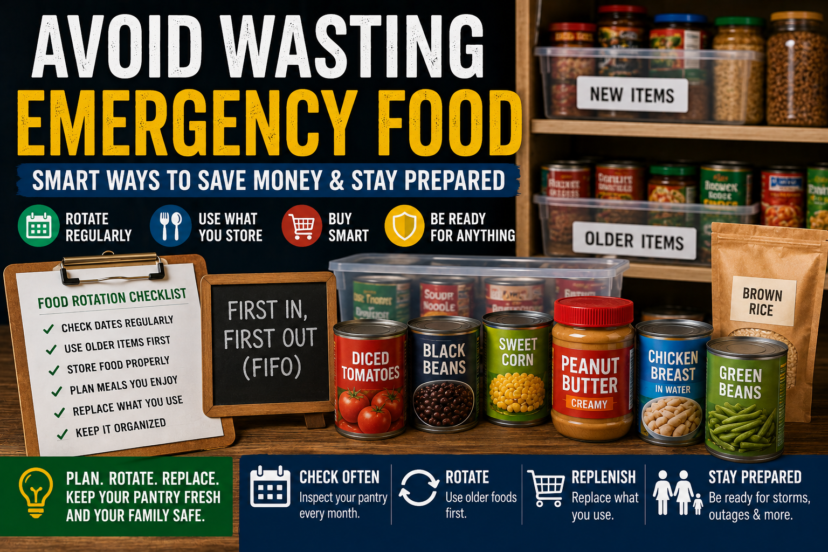
How to avoid wasting emergency food? Building an emergency food supply is one of the smartest ways to prepare for hurricanes, winter storms, wildfires, power outages, and unexpected supply chain disruptions. But many families make one costly mistake—they buy emergency food and never touch it again until it’s expired.
The good news is that you don’t need to waste money to be prepared. A well-managed emergency pantry can provide peace of mind while becoming part of your everyday household routine. By using a few simple habits, you can keep your food fresh, reduce waste, and ensure your supplies are ready whenever you need them.
Learning how to avoid wasting emergency food not only protects your grocery budget but also helps your family become more self-reliant and confident during uncertain times.
⭐ Quick Answer: Avoid Wasting Emergency Food
The easiest way to avoid wasting emergency food is to buy foods your family already eats, store them properly, rotate them using the First In, First Out (FIFO) method, check expiration dates regularly, and replace items as you use them. Treat your emergency pantry as an extension of your everyday kitchen instead of a separate food supply.
Key Takeaways
Most likely cause: Emergency food is most often wasted because supplies are forgotten, stored improperly, purchased in unrealistic quantities, or allowed to expire without being rotated into everyday meals.
Usually serious? Usually not, but repeatedly throwing away expired supplies can become expensive and leave your household less prepared when an actual emergency occurs.
First thing to check: Review expiration and best-by dates, inspect packaging for damage, and move older items to the front of your pantry. Learning how to avoid wasting emergency food starts with knowing exactly what you already have.
Best solution: Use the First In, First Out (FIFO) method, stock foods your household normally eats, store them in appropriate conditions, perform regular pantry checks, and replace items as you consume them.
🥫 Why Emergency Food Gets Wasted
Many people assume food stored in a closet or basement will remain usable forever.
Unfortunately, that’s rarely true.
Food waste often happens because people:
- Forget what they purchased.
- Ignore expiration or best-by dates.
- Store food improperly.
- Buy foods their family doesn’t enjoy.
- Purchase too much at once.
- Never rotate pantry supplies.
Fortunately, every one of these problems can be prevented with simple planning.
🔄 Rotate Food To Avoid Wasting Emergency Food
One of the best ways to avoid wasting emergency food is by following the First In, First Out (FIFO) method.
The process is simple:
- Place newer groceries behind older ones.
- Use the oldest products first.
- Replace items during your next grocery trip.
This keeps your emergency pantry continuously refreshed while reducing spoilage.
Many grocery stores and warehouses use this same inventory system because it’s effective and easy to maintain.
🛒 Buy Foods Your Family Already Eats
One of the biggest preparedness mistakes is buying unfamiliar foods simply because they’re marketed for emergencies.
Instead, stock foods your household enjoys regularly, such as:
- Rice
- Pasta
- Peanut butter
- Canned vegetables
- Canned fruit
- Soup
- Oats
- Beans
- Tuna
- Chicken
When emergencies happen, familiar foods provide both comfort and nutrition.
More importantly, they’ll naturally rotate through your regular meals.
🏠 Store Food Properly
Proper storage dramatically extends food quality.
Keep your emergency food:
- In cool locations
- Away from direct sunlight
- In dry conditions
- Off concrete floors
- Protected from pests
Avoid storing food in garages, sheds, or attics where temperatures fluctuate dramatically.
Indoor closets and pantry shelves usually provide more stable conditions.
📝 Label Everything Clearly
Labels make food rotation much easier.
Write on packages:
- Purchase date
- Best-by date
- Rotation reminders
Using a permanent marker takes only seconds but can prevent costly waste later.
Clear labels also help everyone in the household follow the same system.
🍽️ Use Emergency Foods During Everyday Meals
The simplest way to avoid wasting emergency food is to eat it.
Incorporate emergency pantry items into weekly meals.
Examples include:
- Add canned chicken to casseroles.
- Use canned vegetables with dinner.
- Make oatmeal for breakfast.
- Prepare rice as a side dish.
- Pack peanut butter sandwiches for lunch.
Each time you use something, replace it during your next grocery trip.
This creates a continuous rotation cycle without extra work.
📅 Schedule Pantry Inspections
Small routine inspections prevent major problems.
1. Every Month
- Check frequently used items.
- Organize shelves.
- Replace opened foods.
2. Every Six Months
- Review expiration dates.
- Inspect cans for rust or dents.
- Look for moisture damage.
- Check for pests.
3. Every Year
- Reevaluate your family’s food preferences.
- Donate unopened food you won’t use before quality declines, when appropriate.
- Adjust supplies for changing household needs.
A little maintenance goes a long way.
💰 Build Your Pantry Gradually
Buying hundreds of dollars’ worth of food at once increases the risk of waste.
Instead:
- Buy one or two extra items during each grocery trip.
- Watch for sales.
- Choose store brands when appropriate.
- Replace only what you’ve used.
Preparedness is much easier—and more affordable—when built over time.
🥜 Choose Foods With Longer Shelf Lives
Some foods naturally store longer than others.
Excellent choices include:
- White rice
- Dry beans
- Pasta
- Rolled oats
- Peanut butter
- Canned meats
- Canned vegetables
- Freeze-dried meals
- Powdered milk
Balancing long-lasting foods with everyday pantry items creates a dependable emergency food supply.
🌪️ Prepare For Local Emergencies
Different regions face different risks.
For example:
Hurricanes
Focus on ready-to-eat foods requiring little preparation.
Winter Storms
Store foods that provide comfort and high energy.
Wildfires
Keep portable food supplies ready in case evacuation becomes necessary.
Power Outages
Choose foods requiring little or no cooking.
Tailoring your pantry to realistic local risks makes preparedness more practical.
🚫 Common Mistakes That Lead To Food Waste
Avoid these common errors:
- Buying foods nobody likes.
- Ignoring expiration dates.
- Forgetting manual can openers.
- Storing food in hot garages.
- Buying more than you can reasonably rotate.
- Failing to inspect supplies regularly.
Small improvements in organization often prevent significant waste.
⚠️ When To Consult A Professional
Most families can successfully manage an emergency food pantry without outside assistance. However, consult a medical professional if someone in your household has food allergies, diabetes, kidney disease, or dietary restrictions requiring specialized emergency meal planning. Follow instructions from local emergency management officials during disasters and evacuations. Contact licensed electricians, plumbers, or utility providers if emergencies involve damaged utilities, contaminated water, gas leaks, or unsafe structures. Always prioritize personal safety and follow official recommendations during emergencies.
❓ FAQs: Avoid Wasting Emergency Food
How can I avoid wasting emergency food?
Use the First In, First Out (FIFO) method, eat older foods first, replace them during regular grocery shopping, and inspect your pantry regularly.
How often should I rotate emergency food?
A quick monthly check and a more detailed inspection every six months work well for most households.
What foods last the longest?
White rice, dry beans, pasta, oats, canned goods, and freeze-dried foods generally offer excellent storage life when kept in proper conditions.
Should emergency food be separate from my regular pantry?
No. Many preparedness experts recommend integrating emergency food into everyday meal planning so it naturally rotates.
Can I donate emergency food before it expires?
Yes. If you realize you won’t use unopened food before its quality declines, donating it while it’s still in good condition can reduce waste and help others.
What storage conditions help food last longer?
Store food in cool, dry locations away from sunlight, humidity, pests, and extreme temperatures.
Is buying bulk food always a good idea?
Only if you can store it properly and rotate it before quality declines. Buying more than you’ll realistically use can increase waste.
🎯 Conclusion: Avoid Wasting Emergency Food
Learning how to avoid wasting emergency food is one of the easiest ways to improve your preparedness while saving money. By choosing foods your family already enjoys, storing them correctly, rotating supplies regularly, and making emergency foods part of your everyday meals, you can maintain a pantry that’s always fresh and ready for unexpected events.
Preparedness doesn’t require expensive equipment or complicated systems. It simply takes consistent habits and thoughtful planning. Every can you rotate, every shelf you organize, and every meal you prepare from your pantry strengthens your family’s resilience and provides greater confidence that you’ll be ready for whatever tomorrow brings.
Disclaimer: This article is for general educational and preparedness purposes only. Food storage conditions, product shelf lives, emergency needs, and regional regulations vary. Always follow manufacturer storage instructions, local emergency management guidance, and applicable laws. Consult qualified professionals regarding medical concerns, food allergies, or emergency situations that may affect your health or safety.
 Explore more:


Comments are closed.