Shelf Stable Foods: 21 Best Shelf-Stable Foods For Emergency Preparedness
Unexpected emergencies can happen with little warning. Hurricanes, winter storms, tornadoes, wildfires, power outages, and supply chain disruptions have shown many American families the importance of keeping food on hand. The good news is that building an emergency food supply doesn’t require expensive survival gear or years of experience. One of the smartest and most affordable preparedness strategies is stocking shelf stable foods that last for months—or even years—without refrigeration.
A well-planned emergency pantry provides more than food. It offers peace of mind, reduces stress during uncertain times, and helps your family remain comfortable while stores recover or utilities are restored.
Whether you’re just beginning your preparedness journey or improving an existing emergency pantry, choosing the right foods today can make tomorrow much easier.
⭐ Quick Answer: Shelf Stable Foods
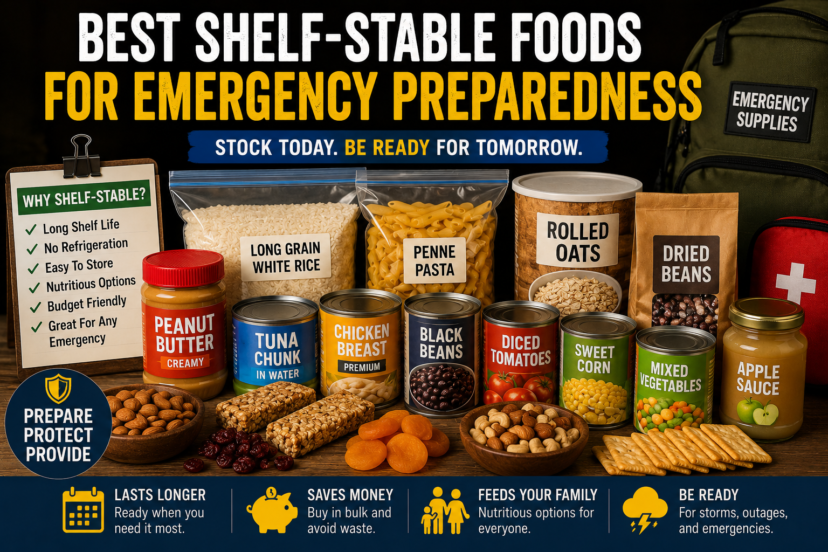
The best shelf stable foods include canned meats, canned vegetables, beans, rice, pasta, oats, peanut butter, freeze-dried meals, dried fruit, nuts, powdered milk, and other foods that store well without refrigeration. A balanced mix of ready-to-eat and easy-to-cook foods helps families stay prepared for both short-term emergencies and longer disruptions.
Key Takeaways
- Most likely cause: Families often build an emergency pantry with shelf stable foods because they stay safe to eat for long periods without refrigeration and are easy to store.
- Usually serious? Yes. During power outages, severe weather, or supply chain disruptions, having long-lasting food can help reduce stress and provide reliable nutrition until normal services return.
- First thing to check: Review expiration dates, storage conditions, and whether your pantry includes a balanced mix of proteins, grains, fruits, vegetables, healthy fats, and ready-to-eat options.
- Best solution: Stock a variety of long-lasting foods, rotate supplies regularly using the first-in, first-out method, and store everything in a cool, dry place to maximize freshness and shelf life.
🥫 Why Shelf Stable Foods Are Essential For Emergency Preparedness
Shelf stable foods are pantry items that remain safe and maintain good quality for extended periods when stored properly.
Unlike fresh groceries, they don’t require constant refrigeration and are available whenever emergencies interrupt daily life.
These foods become especially valuable during:
- Power outages
- Hurricanes
- Winter storms
- Wildfires
- Floods
- Tornadoes
- Earthquakes
- Supply chain shortages
Having dependable food at home reduces the need for last-minute shopping and gives your family valuable flexibility during stressful situations.
🍽️ What Makes Good Shelf Stable Foods?
Not every pantry item is ideal for emergency storage.
The best shelf stable foods typically offer:
- Long storage life
- Good nutritional value
- Easy preparation
- Affordable cost
- Familiar flavors
- Simple rotation into everyday meals
Look for foods your household already enjoys. Emergency situations are easier when meals feel familiar rather than completely different.
⭐ Best Shelf Stable Foods To Keep In Your Emergency Pantry
Building a balanced pantry means storing a variety of foods rather than relying on one or two items.
Canned Meats
Excellent protein sources include:
- Chicken
- Tuna
- Salmon
- Turkey
- Ham
These require little or no preparation and work well in sandwiches, soups, pasta, or rice dishes.
Canned Vegetables
Vegetables provide important vitamins and minerals.
Popular choices include:
- Green beans
- Corn
- Carrots
- Mixed vegetables
- Peas
Choose low-sodium varieties whenever possible.
Canned Fruit
Fruit provides natural sweetness and hydration.
Great options include:
- Peaches
- Pears
- Pineapple
- Applesauce
- Mixed fruit
Fruit packed in juice generally contains less added sugar.
Rice
White rice remains one of the most dependable shelf stable foods because it stores much longer than brown rice when kept dry.
Pasta
Pasta is inexpensive, versatile, and pairs well with canned meats, vegetables, and sauces.
Oats
Rolled oats provide fiber, complex carbohydrates, and quick breakfasts.
Peanut Butter
Peanut butter delivers:
- Protein
- Healthy fats
- High calories
It also requires no cooking, making it especially useful during power outages.
Dry Beans And Lentils
These pantry staples offer:
- Excellent protein
- Fiber
- Long storage life
Keep some canned beans as well for situations where cooking fuel is limited.
Freeze-Dried Meals
Freeze-dried foods offer:
- Very long shelf life
- Lightweight storage
- Convenient meal options
They make excellent additions to long-term preparedness supplies.
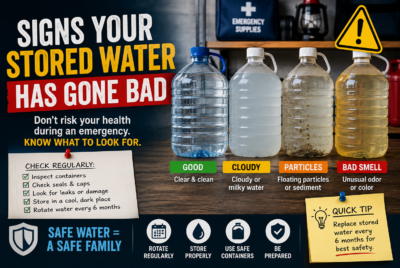
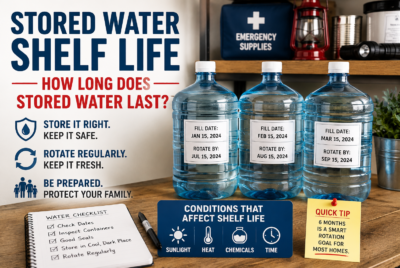
💧 Don’t Forget Water Alongside Shelf Stable Foods
Food is only one part of emergency preparedness.
Many shelf stable foods require water for:
- Cooking
- Rehydration
- Cleaning
Store adequate drinking water alongside your emergency pantry and consider reliable water purification methods for extended emergencies.
⚡ Shelf Stable Foods For Power Outages
During electrical outages, prioritize foods requiring little or no preparation.
Good choices include:
- Peanut butter
- Canned meats
- Canned fruit
- Crackers
- Granola bars
- Trail mix
- Nuts
- Shelf-stable milk
These foods help reduce fuel use while providing balanced nutrition.
🏠 How To Store Shelf Stable Foods Properly
Proper storage extends both quality and usability.
Keep foods:
- In cool locations
- Away from sunlight
- In dry environments
- Off concrete floors
- Protected from pests
Avoid garages or sheds that experience extreme heat or freezing temperatures whenever possible.
Indoor closets and pantry shelves usually provide more stable storage conditions.
🔄 Rotate Shelf Stable Foods Regularly
Preparedness works best when food becomes part of everyday life.
Follow the “first in, first out” method:
- Use older products first.
- Replace them during grocery shopping.
- Label purchase dates.
- Check expiration dates twice each year.
- Inspect cans for rust, dents, or swelling.
Regular rotation reduces waste while keeping supplies fresh.
💰 Build Your Emergency Pantry On A Budget
You don’t need to buy everything at once.
Instead:
- Purchase one or two extra pantry items each shopping trip.
- Watch for grocery sales.
- Buy store brands when appropriate.
- Focus on foods your family already eats.
Small purchases made consistently can create an impressive emergency pantry over time.
🌪️ Shelf Stable Foods For Common U.S. Emergencies
Different emergencies create different challenges.
For example:
Hurricanes
Choose ready-to-eat foods in case cooking isn’t possible.
Winter Storms
Store foods that provide extra calories and warm meal options.
Wildfires
Keep lightweight foods that are easy to transport during evacuations.
Supply Chain Disruptions
Rotate pantry staples regularly to maintain a dependable food reserve.
Preparing for realistic local risks helps your emergency pantry become even more useful.
⚠️ When To Consult A Professional
Most families can build an emergency pantry on their own, but some situations require expert guidance. Follow instructions from local emergency management officials during disasters and evacuations. Consult a medical professional if someone in your household has severe food allergies, diabetes, kidney disease, or other dietary needs that affect emergency meal planning. Contact licensed electricians, plumbers, or utility providers if emergencies involve damaged utilities, contaminated water, gas leaks, or unsafe living conditions. Always prioritize safety and follow official guidance during severe emergencies.
❓ FAQs: Shelf Stable Foods
What are shelf stable foods?
Shelf stable foods are foods that can be safely stored at room temperature for extended periods without refrigeration when unopened and stored properly.
What are the best shelf stable foods for emergencies?
Some of the best options include canned meats, canned vegetables, rice, pasta, oats, peanut butter, dry beans, freeze-dried meals, nuts, and powdered milk.
How long do shelf stable foods last?
Shelf life varies by product. Some canned goods last several years, while freeze-dried foods may last decades when stored correctly.
Do shelf stable foods lose nutrition over time?
Most foods gradually lose some nutritional value over time, but many remain highly nutritious for long periods when stored properly.
How much emergency food should I store?
Many preparedness organizations recommend storing at least several days (3 days) of food and water for every household member, with many families working toward a two-week supply or more.
Should I include ready-to-eat foods?
Yes. Ready-to-eat shelf stable foods are especially useful during power outages or situations where cooking isn’t practical.
How often should I rotate my emergency pantry?
Inspect and rotate your pantry every six months, using older items first and replacing them during regular grocery shopping.
🎯 Final Thoughts On Shelf Stable Foods
Choosing the right shelf stable foods is one of the easiest and most effective ways to improve your family’s emergency preparedness. By stocking dependable pantry staples, rotating them regularly, and storing them correctly, you can create an emergency food supply that supports your family through power outages, severe weather, and other unexpected events.
Remember, preparedness doesn’t happen overnight. Every extra can, every bag of rice, and every thoughtful grocery purchase brings you one step closer to greater self-reliance and peace of mind. Start small, stay consistent, and build an emergency pantry that works for your family’s needs and budget.
Disclaimer: This article is for general educational and preparedness purposes only. Emergency food needs, storage conditions, regional hazards, and local regulations may vary. Always follow manufacturer storage instructions, local emergency management guidance, and applicable laws. Consult qualified professionals regarding medical concerns, food allergies, or emergency situations that could affect your health or safety.
 Explore more:
- Freeze Dried Food Vs Canned Food
- Foods You Should Never Stockpile For Long-Term Storage
- Peanut Butter Shelf Life