Emergency Home Security: 11 Smart Ways To Protect Your Home During A Crisis
Keep Your Property And Family Safer During Disasters
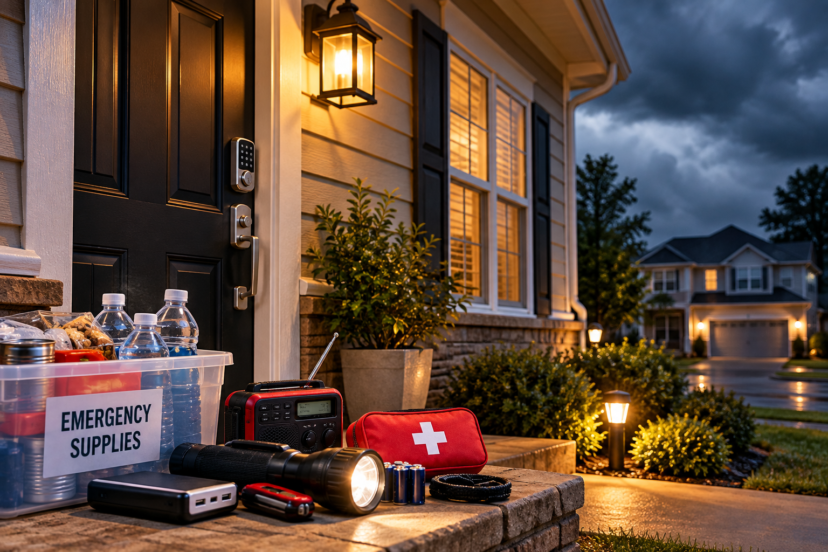
Imagine a powerful storm knocks out electricity across your neighborhood. Streetlights go dark, your security cameras stop working, and your usual home alarm system suddenly loses its connection. Meanwhile, local authorities warn that flooding may force residents to evacuate. Situations like these show why emergency home security deserves a place in every household preparedness plan.
During hurricanes, winter storms, wildfires, and extended power outages, homes may become more vulnerable to property damage, unauthorized entry, and disruptions to normal security systems.
However, protecting your home doesn’t require expensive surveillance equipment or complicated technology.
Simple improvements such as stronger door locks, backup lighting, secure windows, and a clear evacuation plan can make a meaningful difference.
Whether you live in a suburban house, townhouse, or apartment, the goal is to create practical layers of protection that help your family feel safer without unnecessary expense or complexity.
⚡ Quick Answer: What Is Emergency Home Security?
Emergency home security means protecting your household and property during disasters, power outages, evacuations, and other unexpected disruptions.
The most effective approach combines reliable door and window locks, backup lighting, battery-powered security equipment, emergency communication methods, and a clear family safety plan.
Before an emergency, inspect entry points, prepare for electrical outages, secure important documents, and identify evacuation procedures.
Always prioritize personal safety over protecting possessions, especially during fires, floods, structural damage, or official evacuation orders.
Key Takeaways
Most Likely Cause: Power outages, severe weather, evacuations, and disruptions to normal home security systems.
Usually Serious? Not always, but damaged entry points, failed security equipment, and unsafe buildings can increase risks.
First Thing To Check: Door locks, windows, exterior lighting, security system backup power, and safe evacuation routes.
Best Solution: Create a practical emergency home security plan using reliable physical protection, backup equipment, and clear family safety procedures.
🛡️ Why Home Security Becomes More Important During Emergencies
Most households rely on everyday systems to keep their homes secure.
Exterior lighting discourages unwanted activity, security cameras provide visibility, and electronic alarms help residents monitor unusual events.
But emergencies can interrupt these systems.
Common Situations That Affect Home Security
-
Power Outages: Security cameras, electronic locks, and alarm equipment may stop functioning without backup power.
-
Hurricanes: Strong winds and flying debris can damage windows, doors, and exterior structures.
-
Wildfires: Mandatory evacuations may require families to leave their homes quickly.
-
Winter Storms: Frozen locks, damaged doors, and electrical failures may create access problems.
-
Flooding: Water damage can weaken building materials and disable electrical equipment.
-
Extended Evacuations: Empty homes may require additional monitoring and property protection.
Not every disaster causes increased criminal activity. In many situations, weather damage and interrupted utilities are the greatest threats.
A sensible security plan prepares for both physical hazards and potential unauthorized entry.
🔐 11 Essential Emergency Home Security Tips
1. Strengthen Your Exterior Doors And Locks
Your doors are among the most important parts of your home’s physical security.
Inspect exterior doors for loose hinges, damaged frames, and poorly functioning locks.
A quality deadbolt and properly installed strike plate can improve resistance to forced entry.
For many homes, longer strike-plate screws that reach solid framing can provide additional reinforcement when compatible with the door assembly.
Consider having a qualified locksmith evaluate older or damaged locks.
Avoid modifications that interfere with emergency exits.
Safety Tip: Everyone in your household should be able to open an exit door quickly from the inside without searching for a key.
2. Secure Windows And Sliding Glass Doors
Windows can become vulnerable during severe storms or when locks are damaged.
Check that window locks operate correctly and that frames remain in good condition.
For sliding doors, use reliable locking hardware and consider a manufacturer-approved secondary security device.
In hurricane-prone regions, approved storm shutters or impact-resistant windows can reduce damage from windborne debris.
However, never install bars, locks, or security devices that prevent occupants from escaping during a fire.
Physical security should always support safe evacuation rather than create additional hazards.
3. Prepare Backup Power For Security Equipment
Many modern security systems depend on electricity, internet access, or both.
A prolonged blackout may disable cameras, routers, smart doorbells, and electronic monitoring equipment.
Check whether your alarm system includes a backup battery and how long it can operate.
Battery-powered cameras or compatible uninterruptible power supplies may provide temporary protection.
Remember that internet-based systems may still lose connectivity if local networks fail.
For emergency home security, choose equipment that continues providing useful local functions even without an internet connection.
Never use fuel-powered generators indoors, inside garages, or near windows and doors.
4. Install Reliable Emergency Lighting
Dark entrances, stairways, and hallways increase the risk of trips and falls during power outages.
Battery-powered LED lights provide a practical solution.
Place emergency lighting near:
-
Main Entrances
-
Stairways
-
Hallways
-
Bedrooms
-
Emergency Supply Areas
-
Frequently Used Interior Routes
Motion-activated battery lights can also help illuminate important areas.
Solar-powered outdoor lights may be useful where they receive adequate sunlight, but their performance varies with weather and battery condition.
Keep a flashlight beside each bed.
5. Protect Your Home Before An Evacuation
When authorities order an evacuation, leaving safely is more important than securing every possession.
If time permits and conditions remain safe, take a few basic precautions.
Lock exterior doors and accessible windows, collect essential documents, and take medications and emergency supplies.
Follow official instructions regarding utilities. Do not shut off gas or electricity unless directed or appropriately trained.
If possible, tell a trusted neighbor or relative that you are leaving.
Avoid posting detailed travel plans or announcing that your home will be empty on public social media accounts.
Important: Never delay an official evacuation to install equipment, protect valuables, or inspect your property.
6. Keep Important Documents And Valuables Protected
Disasters can damage identification documents, insurance records, and financial information.
Store essential paperwork in a water-resistant container or appropriate fire-resistant safe.
Consider keeping secure digital backups of important documents.
Useful records include:
-
Identification Documents
-
Homeowners Or Renters Insurance Information
-
Medical Information
-
Emergency Contact Numbers
-
Property Inventory Photos
-
Important Financial Records
Keep emergency cash in a secure location in case electronic payment systems become unavailable.
Avoid placing critical documents where flooding is likely.
7. Maintain A Family Emergency Communication Plan
Home security involves protecting people, not just property.
Every household member should know how to communicate during an emergency.
Choose a trusted out-of-state contact who can help relay messages when local communication networks are disrupted.
Identify two meeting locations: one near home and another outside your immediate neighborhood.
Keep emergency phone numbers written on paper.
Teach children how to contact emergency services and where to go if they cannot safely return home.
A clear communication plan reduces confusion when families become separated.
8. Use Smart Home Security Devices Carefully
Smart locks, video doorbells, and wireless cameras can provide convenience and additional awareness.
However, technology should not become your only security strategy.
Choose devices with reliable security features, supported software updates, and appropriate backup options.
Use strong, unique passwords and enable multifactor authentication when available.
Check whether smart locks offer manual operation during battery failure.
Avoid depending entirely on smartphone applications for access to your home.
A traditional mechanical backup can be valuable during extended electrical or network outages.
9. Improve Outdoor Visibility And Property Safety
Overgrown shrubs, poorly maintained walkways, and damaged exterior fixtures can create problems during emergencies.
Trim vegetation around entrances while following local fire-safety and landscaping guidance.
Keep pathways clear of debris.
Secure loose outdoor furniture before severe storms when there is enough time to do so safely.
Repair damaged gates and fences that could become hazards in strong winds.
Good exterior maintenance supports both everyday property security and disaster readiness.
10. Build A Trusted Neighborhood Support Network
Reliable neighbors can be valuable during emergencies.
Consider exchanging contact information with a few people you know and trust.
Neighbors may help share official alerts, report visible property damage, or check on vulnerable residents when conditions are safe.
Community cooperation can be especially helpful during extended power outages and severe winter storms.
However, never encourage neighbors to enter damaged buildings, confront suspicious individuals, or take unnecessary risks.
Report emergencies and suspected criminal activity to the appropriate authorities.
11. Review Your Home Security Plan Twice A Year
Even the best emergency home security plan becomes less useful if equipment is neglected.
Schedule a basic review every six months.
Test security system backup batteries according to manufacturer instructions.
Check exterior locks, inspect window hardware, and replace damaged lighting.
Update emergency contacts and review your evacuation procedures.
Also confirm that smoke alarms and carbon monoxide alarms are functioning properly.
Regular maintenance often prevents small problems from becoming serious during a disaster.
💰 Affordable Emergency Home Security Improvements
You don’t need an expensive security system to improve household protection.
Start with basic maintenance.
Tighten loose door hardware, replace worn batteries, improve outdoor visibility, and organize emergency supplies.
Affordable upgrades may include battery-powered LED lights, additional door reinforcement hardware, and a reliable flashlight.
Prioritize products that solve an actual weakness in your home.
For example, repairing a damaged exterior door is generally more important than buying another security camera.
Avoid spending money on equipment that requires complicated installation or ongoing subscriptions unless those features meet your needs.
🌪️ Emergency Home Security During Different Disasters
Different emergencies require different precautions.
During Hurricanes And Severe Storms
Secure outdoor objects, protect windows with approved storm protection when appropriate, and follow evacuation orders.
Never tape windows as a substitute for proper storm protection.
During Power Outages
Use battery-powered lighting, check security system backup power, and keep doors locked.
Avoid opening the refrigerator unnecessarily and monitor official updates.
During Wildfires
Follow evacuation instructions immediately.
Do not remain behind to guard property.
Keep access routes clear and take essential emergency supplies.
During Flooding
Move to higher ground when directed.
Avoid floodwater, damaged electrical equipment, and structurally unsafe areas.
Do not return home until authorities indicate that conditions are safe.
🚨 When To Consult A Professional
Some home security and disaster-related problems require qualified assistance.
Contact local emergency management officials for evacuation information, shelter guidance, and disaster-specific safety instructions.
Consult licensed electricians for damaged wiring, backup power installations, or electrical equipment exposed to water.
Hire qualified plumbers or utility professionals for serious water damage, gas concerns, or unsafe utility systems.
A licensed locksmith or security professional can evaluate damaged locks and entry doors.
Seek medical assistance for injuries, carbon monoxide exposure, or other health emergencies.
Never attempt hazardous repairs or enter a severely damaged building without appropriate clearance.
❓ FAQs About Emergency Home Security
1. How Do You Secure Your Home During An Emergency?
Start by locking doors and windows, maintaining backup lighting, preparing emergency supplies, and following official safety instructions. During evacuation orders, prioritize leaving safely over protecting property.
2. Do Home Security Systems Work During Power Outages?
Some systems continue operating temporarily using backup batteries. However, cameras, internet connections, and monitoring services may stop working. Check your equipment’s specifications and backup capabilities.
3. What Is The Best Emergency Home Security System?
The best system depends on your home, budget, and local risks. Look for reliable locks, battery backup, clear alerts, and security features that remain useful during internet or power disruptions.
4. How Can I Protect My Home When Evacuating?
If conditions allow, lock doors, secure accessible windows, take essential documents, and follow official utility instructions. Do not delay evacuation to protect belongings.
5. Are Battery-Powered Security Cameras Good For Emergencies?
Battery-powered cameras can provide temporary monitoring during electrical outages. However, recording, remote access, and notifications may depend on internet connectivity and available storage.
6. How Can I Improve Home Security Without Spending Much Money?
Maintain door locks, improve exterior lighting, trim obstructive vegetation, secure windows, and establish communication with trusted neighbors. These basic improvements can be affordable and practical.
7. Should You Stay Home To Protect Your Property During A Disaster?
No, not when authorities order evacuation or conditions become dangerous. Personal safety must always come first. Property can be repaired or replaced, but remaining in a hazardous area can put lives at risk.
🌟 Conclusion: Protect Your Home With Simple, Practical Preparation
Emergency home security doesn’t require expensive equipment, complicated systems, or advanced survival knowledge.
The most effective approach combines dependable locks, backup lighting, safe evacuation procedures, and clear family communication.
Start by checking your doors and windows, preparing for power outages, and organizing important documents.
Then make small improvements over time.
A safer home isn’t necessarily the one with the most security technology. It’s the one where people understand the risks, maintain essential protections, and know when to leave for safety.
By taking a few practical steps today, you can strengthen your household’s resilience, reduce uncertainty, and build greater peace of mind for whatever challenges the future may bring.
Preparedness and Safety Disclaimer: The information on this website is for general educational purposes only and is not a substitute for professional advice. Emergency needs, property conditions, and regional regulations may vary. Always follow local laws, official emergency guidance, and manufacturer instructions when applicable.
Explore more:
- Apartment Emergency Preparedness: 11 Smart Ways
- Backup Power For Home: 7 Essential Options
- Family Emergency Plan: 11 Simple Steps