Long-Term Rice Storage: How To Store Rice And Beans For Emergency Survival
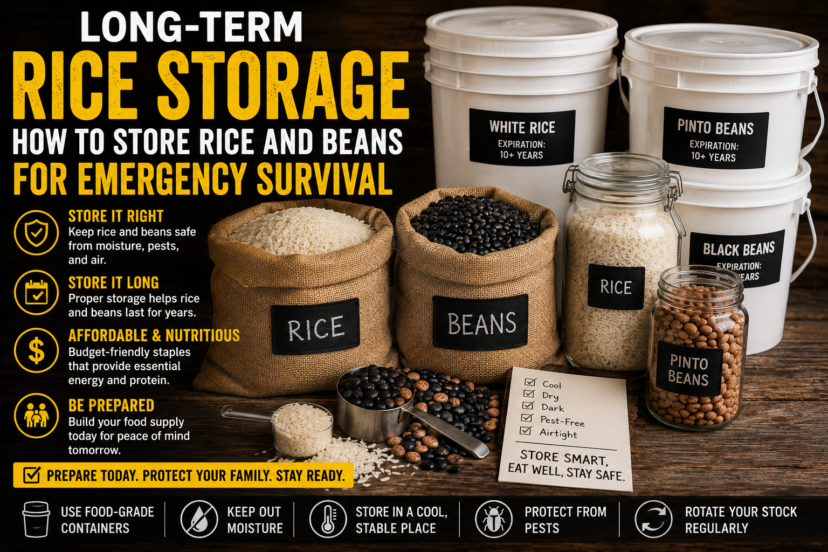
What are the best methods for long-term rice storage? When unexpected emergencies happen, having reliable food storage can provide tremendous peace of mind. Hurricanes, winter storms, wildfires, power outages, and supply chain disruptions have shown many Americans the importance of maintaining a practical emergency pantry.
Fortunately, building long-term food storage doesn’t require expensive survival gear or a bunker. Simple pantry staples like rice and beans are affordable, nutritious, and capable of supporting families during difficult times.
Learning proper long-term rice storage methods can help you become more self-reliant, reduce stress, and create greater confidence for the future. Even small steps today can make a meaningful difference tomorrow.
💡 Quick Answer: Long-Term Rice Storage
Long-term rice storage works best when rice and beans are kept in airtight containers, protected from moisture, heat, oxygen, and pests. Properly stored foods can remain usable for many years and provide affordable emergency nutrition during disasters and supply disruptions.
Key Takeaways
Most likely cause: Rice spoils prematurely when it is exposed to moisture, oxygen, heat, light, or pests because it isn’t stored in suitable long-term containers.
Usually serious? Not usually. Improper storage mainly reduces shelf life and food quality, but it can leave your household with fewer reliable food supplies during an emergency.
First thing to check: Inspect your rice storage containers for airtight seals, signs of moisture or insects, and make sure they are stored in a cool, dry, dark location.
Best solution: Store white rice in airtight, food-grade containers, protect it from moisture, oxygen, heat, and pests, and rotate your emergency food supply regularly to maintain freshness and long-term reliability.
🍚 Why Long-Term Rice Storage Is Popular Among Preparedness Families
Rice and beans have become preparedness staples because they are:
- Affordable
- Easy To Find
- Nutritious
- Versatile
- Shelf Stable
- Easy To Rotate Into Everyday Meals
Together, rice and beans provide carbohydrates, protein, fiber, and calories that can help sustain families during emergencies.
Long-term rice storage allows households to prepare gradually without spending large amounts of money.
Benefits Of Long-Term Food Storage
- Greater Peace Of Mind
- Improved Self-Reliance
- Reduced Grocery Stress
- Protection During Supply Disruptions
- Budget-Friendly Preparedness
- Less Dependence On Last-Minute Shopping
⚡ Why Proper Storage Matters
Improper food storage can shorten shelf life and increase the risk of spoilage.
The biggest threats include:
Moisture
Excess humidity can damage stored foods.
Heat
Warm temperatures accelerate food deterioration.
Oxygen
Oxygen exposure can reduce shelf life over time.
Pests
Rodents and insects may contaminate improperly stored food.
Light Exposure
Direct sunlight can affect food quality.
Protecting against these factors is the foundation of successful long-term rice storage.
🥫 Which Rice Is Best For Long-Term Rice Storage?
Not all rice varieties store equally well.
White Rice
White rice is generally considered one of the best options for long-term rice storage because it contains relatively little oil.
Popular choices include:
- Long-Grain White Rice
- Jasmine Rice
- Basmati Rice
Brown Rice
Brown rice contains natural oils that shorten its shelf life compared to white rice.
While still useful, it typically requires more frequent rotation.
Instant Rice
Instant rice offers convenience but may not last as long as traditional white rice.
🫘 Which Beans Are Best For Long-Term Food Storage?
Beans complement rice extremely well.
Popular choices include:
- Pinto Beans
- Black Beans
- Kidney Beans
- Navy Beans
- Lentils
- Chickpeas
Dry beans generally store longer than canned varieties when kept under proper conditions.
📦 Containers For Long-Term Rice Storage
The container you choose plays an important role.
Food-Grade Buckets
Food-grade buckets are popular because they:
- Protect Against Moisture
- Help Deter Pests
- Store Large Quantities
Airtight Containers
Smaller airtight containers work well for everyday pantry use.
Mylar Bags
Mylar bags provide additional protection against oxygen and moisture.
Glass Jars
Glass containers are useful for smaller amounts of food storage.
🌡️ Ideal Conditions For Long-Term Rice Storage
Temperature has a major effect on shelf life.
Try to store food in:
- Cool Areas
- Dry Locations
- Dark Spaces
- Stable Temperatures
Examples include:
- Interior Closets
- Basement Storage Rooms
- Pantry Shelves
- Climate-Controlled Spaces
Avoid:
- Garages With Extreme Heat
- Damp Areas
- Direct Sunlight
🔄 Rotate Stored Foods Regularly
Long-term rice storage works best when foods become part of your normal routine.
Simple rotation tips include:
Use Older Supplies First
Practice “first in, first out” inventory management.
Label Containers
Include:
- Purchase Date
- Storage Date
Replace Used Items Promptly
Continuous rotation helps prevent waste.
Inspect Supplies Periodically
Check for:
- Moisture Damage
- Broken Containers
- Signs Of Pests
🌪️ Why Rice And Beans Are Valuable During U.S. Emergencies
Food shortages and supply interruptions can happen for many reasons.
Examples include:
Hurricanes
Gulf Coast and Atlantic states sometimes experience prolonged disruptions.
Winter Storms
Snowstorms can limit grocery access for days.
Wildfires
Western states occasionally face evacuation orders and temporary shortages.
Power Outages
Shelf-stable foods remain available when refrigeration becomes unreliable.
Supply Chain Disruptions
Maintaining stored foods helps families avoid panic buying.
Long-term rice storage provides flexibility during these situations.
💰 Build Food Storage On A Budget
Preparedness should fit within normal household finances.
Simple strategies include:
Buy A Little At A Time
Adding one or two bags during grocery trips can quickly build reserves.
Purchase During Sales
Bulk purchases often reduce costs.
Store Foods You Already Eat
This helps ensure nothing goes to waste.
Avoid Fear-Based Buying
Slow, steady preparation is often the most effective approach.
🏠 Better Urban Survival Strategies Beyond Food Storage
Food storage is only one part of preparedness.
Consider adding:
- Water Storage
- Flashlights
- First Aid Kits
- Battery Chargers
- Emergency Radios
- Important Documents
Layering multiple preparedness strategies improves resilience.
👨🔧 When To Consult A Professional
Seek guidance from qualified professionals for food safety concerns, water contamination issues, severe disasters, utility emergencies, or health conditions requiring specialized diets.
Always follow recommendations from:
- Local Emergency Management Officials
- Healthcare Providers
- Utility Companies
- Fire Departments
- FEMA Alerts
Professional guidance should always take priority during emergencies.
❓ FAQs: Long-Term Rice Storage
How long does white rice last in storage?
Properly stored white rice can remain usable for many years under ideal conditions.
Does brown rice last as long as white rice?
No. Brown rice contains oils that generally shorten its shelf life.
Can dry beans expire?
Dry beans can remain usable for long periods, although texture and cooking times may change over time.
Should rice be refrigerated?
Most dry rice does not require refrigeration when stored correctly.
What containers are best for long-term rice storage?
Food-grade buckets, airtight containers, and Mylar bags are commonly used options.
How often should I rotate stored food?
Checking supplies every six months helps maintain freshness and reduce waste.
Why are rice and beans popular survival foods?
They are inexpensive, easy to store, and provide important nutrients during emergencies.
✅ Final Thoughts
Long-term rice storage is one of the most affordable and practical ways to improve your family’s preparedness. You don’t need a massive stockpile or expensive equipment to get started.
A few extra bags of rice and beans stored properly can provide peace of mind and greater confidence during uncertain times. Start small, build gradually, and focus on creating a preparedness plan that works for your family and budget.
Preparedness isn’t about fear—it’s about creating security, resilience, and peace of mind for the future.
Disclaimer
This article is for general educational and preparedness purposes only. Emergency needs, food safety standards, regional risks, and household requirements may vary. Always follow local laws, official guidance, manufacturer instructions, and recommendations from qualified professionals when making preparedness decisions.
 Explore more: