Emergency Cooking Methods: Best Ways To Cook Without Electricity During A Crisis
What are the best emergency cooking methods without electricity during a crisis? When the power goes out unexpectedly, many families quickly realize how dependent modern life is on electricity. Hurricanes, winter storms, wildfires, severe thunderstorms, and grid failures can leave communities without power for hours—or even days.
During these situations, preparing meals becomes much more difficult. Fortunately, you don’t need expensive equipment or advanced survival skills to feed your family during an emergency. With a little planning and the right tools, you can continue preparing hot meals and maintain a sense of normalcy during stressful times.
Learning practical emergency cooking methods can help you become more self-reliant, reduce anxiety, and create greater peace of mind for the future.
💡 Quick Answer: Emergency Cooking Methods
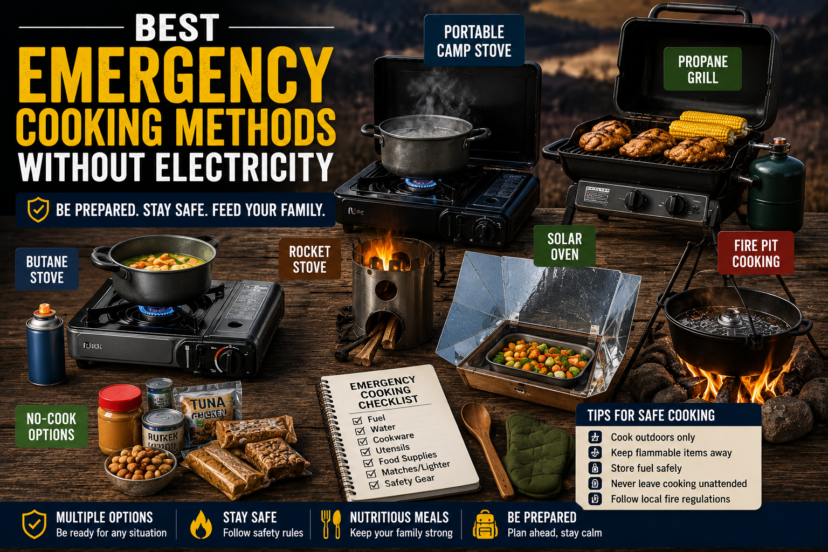
The best emergency cooking methods include portable camping stoves, propane grills, butane stoves, solar ovens, rocket stoves, charcoal grills, and no-cook meal options. Choosing safe, reliable cooking alternatives helps families remain prepared during power outages and disasters.
Key Takeaways
Most likely cause: Power outages and other emergencies can leave households without access to their normal cooking appliances, making meal preparation more challenging.
Usually serious? Not usually. Most families can continue preparing meals safely if they have appropriate backup cooking methods and follow basic safety precautions.
First thing to check: Review which emergency cooking options you already have, confirm they are in good working condition, and make sure you have the proper fuel and a safe outdoor location for use if required.
Best solution: Prepare several safe backup cooking methods, such as a portable camping stove, propane or butane stove, solar oven, or no-cook meal options, and always follow manufacturer instructions and fire safety guidelines.
🔥 Why Emergency Cooking Methods Matter
Cooking isn’t just about comfort. During emergencies, the ability to safely prepare food helps maintain:
- Family Morale
- Nutrition
- Self-Reliance
- Confidence During Stressful Situations
Power outages in the United States are often caused by:
- Hurricanes
- Winter Storms
- Wildfires
- Tornadoes
- Flooding
- Utility Failures
- Extreme Heat Events
Having backup cooking options allows families to adapt without panic.
Benefits Of Emergency Cooking Preparation
- Reduced Stress
- Greater Independence
- Better Food Management
- Improved Disaster Readiness
- Less Reliance On Restaurants And Stores
- Increased Peace Of Mind
⚡ Common Situations That Require Emergency Cooking Methods
Several disasters may interrupt normal kitchen use.
Power Outages
Electrical outages are among the most common reasons families need alternative cooking solutions.
Severe Storms
Thunderstorms, hurricanes, and ice storms can cause prolonged utility disruptions.
Wildfire Evacuations
Temporary relocations may require portable cooking equipment.
Supply Chain Disruptions
Being able to prepare stored foods increases flexibility during shortages.
🍳 Best Emergency Cooking Methods Without Electricity
Portable Camping Stove
Camping stoves are among the most popular emergency cooking methods.
Benefits include:
- Compact Design
- Easy Storage
- Fast Cooking
- Portable Fuel Sources
They work well for:
- Boiling Water
- Heating Soup
- Cooking Rice
- Preparing Freeze-Dried Meals
Propane Grill
Many households already own a backyard grill.
Propane grills are useful for:
- Cooking Meat
- Heating Pots
- Boiling Water
Always operate grills outdoors.
Butane Stove
Single-burner butane stoves are inexpensive and easy to store.
They are popular because they:
- Require Minimal Space
- Heat Quickly
- Use Replaceable Fuel Canisters
Charcoal Grill
Charcoal grills provide another reliable backup cooking option.
They can cook:
- Vegetables
- Meat
- Soups
- Foil Meals
Never use charcoal grills indoors due to carbon monoxide dangers.
Rocket Stove
Rocket stoves use small amounts of wood and produce efficient heat.
Advantages include:
- Fuel Efficiency
- Simple Operation
- Minimal Fuel Requirements
Solar Oven
Solar ovens harness sunlight to cook food.
They are useful because:
- No Fuel Is Required
- Environmentally Friendly
- Quiet Operation
Solar cooking works best during sunny weather.
Fire Pit Cooking
Outdoor fire pits can provide heat during extended emergencies.
Simple foods that work well include:
- Hot Dogs
- Foil Pack Meals
- Soup Pots
Always follow local fire regulations and burn restrictions.
🥫 No-Cook Emergency Meal Options
Not every emergency requires cooking.
Useful shelf-stable foods include:
- Peanut Butter
- Granola Bars
- Trail Mix
- Canned Fruit
- Ready-To-Eat Soups
- Crackers
- Beef Jerky
- Shelf-Stable Milk
Maintaining no-cook options increases flexibility.
🌪️ Emergency Cooking Methods For Different U.S. Disasters
Hurricanes
Residents in Florida, Texas, and Gulf Coast states often prepare for extended outages.
Helpful equipment includes:
- Propane Grills
- Camping Stoves
- Stored Fuel
Winter Storms
Northern states may experience dangerous travel conditions.
Portable stoves and shelf-stable foods can help maintain nutrition.
Wildfires
Western states frequently face power shutoffs and evacuation risks.
Compact cooking systems are especially valuable.
Severe Thunderstorms
Even short outages can disrupt meal preparation.
🧰 Essential Supplies To Support Emergency Cooking Methods
Backup cooking systems work best when paired with additional supplies.
Consider storing:
- Fuel Canisters
- Matches
- Lighters
- Pots And Pans
- Manual Can Opener
- Water Storage
- Non-Perishable Foods
- Heat-Resistant Gloves
Preparedness becomes easier when supplies are organized ahead of time.
💰 Budget-Friendly Emergency Cooking Strategies
Preparedness does not need to become expensive.
Simple ways to save money include:
Use Existing Equipment
Many households already own grills or camping gear.
Buy Gradually
Purchase supplies over time rather than all at once.
Rotate Food Supplies
Store foods your family already eats.
Practice Before Emergencies
Learning equipment ahead of time builds confidence.
🏙️ Better Urban Survival Strategies Beyond Cooking
Cooking is only one part of preparedness.
Consider adding:
- Flashlights
- First Aid Kits
- Emergency Radios
- Portable Chargers
- Water Storage
- Backup Batteries
- Important Documents
Layered preparedness creates stronger resilience.
⚠️ Important Safety Rules For Emergency Cooking Methods
Safety should always come first.
Never Use Outdoor Equipment Indoors
This includes:
- Grills
- Camp Stoves
- Charcoal Burners
Maintain Proper Ventilation
Carbon monoxide poisoning can be deadly.
Store Fuel Safely
Follow manufacturer recommendations.
Keep Fire Extinguishers Nearby
Preparation helps reduce risks.
👨🔧 When To Consult A Professional
Seek guidance from qualified professionals when dealing with utility damage, gas leaks, generator installation, severe weather threats, or safety concerns involving cooking equipment.
Always follow recommendations from:
- Local Emergency Management Agencies
- Fire Departments
- Utility Companies
- Healthcare Providers
- Weather Authorities
- FEMA Alerts
Never attempt repairs or modifications unless properly trained.
❓ FAQs: Emergency Cooking Methods
What is the safest way to cook during a power outage?
Portable cooking devices used outdoors, and according to manufacturer instructions, are generally among the safest options.
Can I use my gas stove during a power outage?
Some gas stoves may still operate, but requirements vary by model. Always follow manufacturer instructions.
Is it safe to use a propane grill indoors?
No. Propane grills should only be used outdoors.
What foods are best for emergencies without cooking?
Granola bars, peanut butter, canned foods, crackers, and ready-to-eat meals are excellent choices.
How much fuel should I store?
Fuel needs vary depending on your household size and cooking habits. Always follow local regulations.
Are solar ovens effective?
Yes. Solar ovens can cook food effectively during sunny conditions.
What is the easiest emergency cooking option?
For many families, a portable camping stove paired with shelf-stable foods provides a practical solution.
✅ Final Thoughts
Learning emergency cooking methods is one of the most practical ways to improve your preparedness. You don’t need expensive survival equipment or specialized training to feed your family during difficult situations.
Start with simple tools, build gradually, and focus on solutions that fit your budget and lifestyle. Small preparations made today can provide tremendous peace of mind tomorrow.
Preparedness isn’t about fear—it’s about creating confidence, resilience, and security for the people you care about most.
Disclaimer
This article is for general educational and preparedness purposes only. Emergency needs, regional regulations, fire restrictions, and equipment requirements may vary. Always follow local laws, official guidance, manufacturer instructions, and recommendations from qualified professionals when making preparedness decisions.
 Explore more: