Severe Weather Preparedness: How To Prepare Your Home For Severe Weather Emergencies
Severe weather can arrive with little warning, turning an ordinary day into a stressful and potentially dangerous situation. Hurricanes, tornadoes, winter storms, flooding, wildfires, and severe thunderstorms affect millions of Americans every year, often causing widespread power outages, damaged homes, road closures, and supply shortages. The encouraging news is that effective severe weather preparedness doesn’t require expensive equipment or advanced survival skills. By making a few practical improvements to your home, organizing emergency supplies, and creating a family emergency plan, you can reduce stress, improve safety, and feel more confident when severe weather strikes.
This guide walks you through affordable, common-sense strategies to strengthen your home’s readiness and help protect your family during emergencies.
⭐ Quick Answer: Severe Weather Preparedness
The best severe weather preparedness plan includes securing your home, maintaining emergency supplies, staying informed through reliable weather alerts, preparing for extended power outages, and practicing a family emergency plan before disaster strikes.
Key Takeaways
Most likely cause: Most severe weather preparedness problems happen because homes aren’t ready for power outages, property damage, disrupted transportation, or temporary shortages of essential supplies.
Usually serious? It can be. Hurricanes, tornadoes, flooding, winter storms, wildfires, and severe thunderstorms can create significant safety risks depending on their severity and location.
First thing to check: Identify the severe weather risks most likely in your area, review your emergency supplies, and make sure your family communication plan is ready before severe weather arrives.
Best solution: Build a severe weather preparedness plan by securing your home, maintaining emergency supplies, monitoring reliable weather alerts, preparing for power outages, and practicing a family emergency plan.
🌪️ Why Severe Weather Preparedness Matters
Every year, communities across the United States experience dangerous weather events that can disrupt daily life for days or even weeks.
Common threats include:
- Hurricanes
- Tornadoes
- Winter storms
- Flooding
- Wildfires
- Severe thunderstorms
- Ice storms
- Extreme heat
Good severe weather preparedness helps you:
- Protect your family
- Reduce panic
- Prevent injuries
- Minimize property damage
- Improve emergency response
- Recover more quickly
Preparation also provides peace of mind because you know you’ve taken practical steps before an emergency occurs.
🏠 Strengthen Your Home Before Storm Season
One of the most effective ways to improve severe weather preparedness is by making your home more resilient.
Start with these simple projects:
Inspect Your Roof
Loose shingles and damaged flashing can allow water inside during heavy rain or strong winds.
Check for:
- Missing shingles
- Loose flashing
- Damaged gutters
- Roof leaks
Addressing small issues early can prevent expensive repairs later.
Trim Trees And Remove Hazards
Overhanging branches often become dangerous during storms.
Regularly:
- Trim dead limbs
- Remove weak branches
- Clear debris
- Secure outdoor furniture
These steps reduce the risk of falling trees and flying debris.
Secure Windows And Doors
Strong winds can damage doors and windows.
Consider:
- Storm shutters
- Reinforced garage doors
- Heavy-duty door hardware
- Weather stripping
Even inexpensive improvements can increase your home’s resilience.
🎒 Build A Severe Weather Emergency Kit
Every household should have emergency supplies ready before they’re needed.
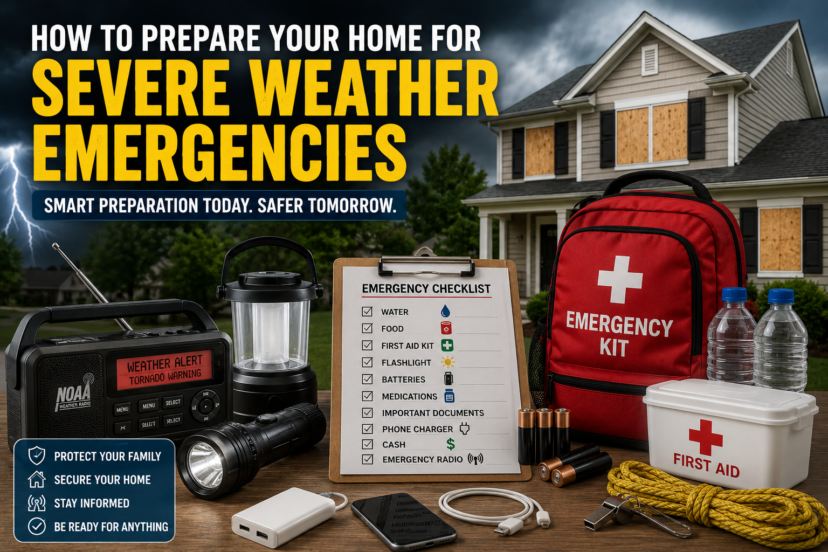
Include:
- Drinking water
- Non-perishable food
- First aid kit
- Prescription medications
- Flashlights
- Extra batteries
- Emergency radio
- Portable phone chargers
- Blankets
- Hygiene supplies
- Important documents
- Cash in small bills
Aim to have enough supplies for at least three days, though preparing for a week provides additional peace of mind.
🔋 Prepare For Power Outages
Extended power outages are common during severe weather events.
Improve your severe weather preparedness by planning ahead.
Helpful supplies include:
- LED flashlights
- Battery-powered lanterns
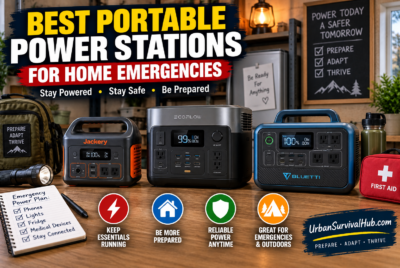
- Portable power banks
- Battery-powered weather radio
- Extra batteries
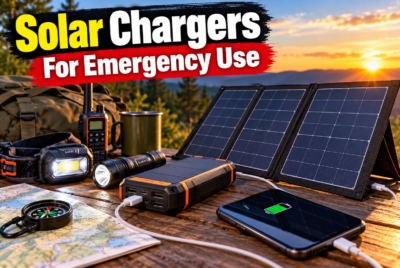
- Solar chargers
Avoid relying entirely on candles, which increase fire risk.
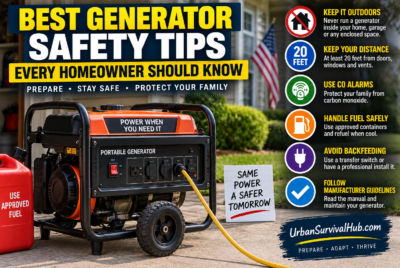
If you own a generator, always operate it outdoors according to manufacturer instructions to reduce carbon monoxide risks.
📡 Stay Informed During Severe Weather
Information saves lives during emergencies.
Use multiple ways to receive updates:
- NOAA Weather Radio
- Local television stations
- Local radio broadcasts
- Official emergency alerts
- Trusted weather apps
- Emergency management websites
Never rely on only one source of information.
🚗 Prepare For Possible Evacuations
Some weather events require quick evacuations.
Prepare ahead by:
- Knowing multiple evacuation routes
- Keeping vehicles fueled
- Packing emergency go bags
- Identifying nearby shelters
- Planning for pets
Practice evacuation plans with your family before an emergency occurs.
👨👩👧 Create A Family Emergency Plan
Preparation works best when everyone understands what to do.
Discuss:
- Meeting locations
- Emergency contacts
- Shelter locations
- Medical needs
- Pet care
- Communication plans
Practice your emergency plan at least once a year.
Children often feel more confident when they understand the plan.
🌊 Severe Weather Preparedness For Different Hazards
Different emergencies require different responses.
Hurricanes
Prepare for:
- Long power outages
- Flooding
- High winds
- Evacuations
Secure outdoor furniture and monitor evacuation orders.
Tornadoes
Identify the safest room in your home.
Typically this is:
- Basement
- Storm shelter
- Interior room without windows
Practice reaching this location quickly.
Winter Storms
Stock:
- Extra blankets
- Warm clothing
- Food
- Water
- Heating fuel if applicable
Prevent frozen pipes by insulating exposed plumbing and allowing faucets to drip during extreme cold if recommended by local authorities.
Wildfires
Reduce fire risk by:
- Clearing dry vegetation
- Cleaning gutters
- Creating defensible space
- Keeping emergency bags ready
Follow evacuation orders immediately.
Flooding
Know whether your home is located in a flood-prone area.
Never drive through flooded roads.
Remember the safety message:
Turn Around, Don’t Drown®.
🛒 Affordable Ways To Improve Severe Weather Preparedness
Preparedness doesn’t have to strain your budget.
Build your supplies gradually.
Start with:
- Flashlights
- Batteries
- Water storage
- First aid kit
- Emergency radio
Then slowly add:
- Portable power stations
- Solar chargers
- Extra food
- Backup lighting
- Waterproof document storage
Small improvements each month create a strong preparedness plan over time.
🔧 Maintain Your Emergency Supplies
Prepared supplies require regular maintenance.
Every six months:
- Replace expired food.
- Rotate stored water.
- Test flashlights.
- Recharge batteries.
- Update medications.
- Review family emergency plans.
- Check important documents.
Routine maintenance keeps your emergency kit reliable.
🚫 Common Severe Weather Preparedness Mistakes
Avoid these common errors:
- Waiting until storms are forecast
- Forgetting pet supplies
- Ignoring weather alerts
- Running generators indoors
- Depending only on smartphones
- Not practicing evacuation plans
- Forgetting extra batteries
Preparedness is much easier before emergencies begin.
🏡 Build Long-Term Home Resilience
Preparedness isn’t just about surviving one storm.
Long-term improvements include:
- Installing surge protectors
- Upgrading smoke detectors
- Improving drainage
- Reinforcing roofing
- Maintaining landscaping
- Organizing emergency supplies
- Reviewing insurance coverage
These improvements strengthen your home year after year.
👨🔧 When To Consult A Professional
Many severe weather preparedness projects can be completed by homeowners, but some situations require professional guidance. Contact local emergency management officials for evacuation information and community preparedness resources. Hire licensed electricians for electrical upgrades, whole-home generators, or damaged wiring. Consult qualified roofers, contractors, arborists, or plumbers when repairing storm damage or improving your home’s resilience. Seek immediate medical care for injuries or weather-related illnesses, and always follow evacuation orders and official emergency instructions during dangerous conditions.
❓ FAQs: Severe Weather Preparedness
1. What is severe weather preparedness?
Severe weather preparedness involves planning, gathering emergency supplies, strengthening your home, and knowing how to respond safely before dangerous weather occurs.
2. What should every emergency weather kit include?
Water, food, flashlights, batteries, a first aid kit, medications, an emergency radio, phone chargers, blankets, and important documents.
3. How much water should I store for emergencies?
A common recommendation is at least one gallon of water per person per day for at least three days, though additional supplies are often beneficial.
4. How often should I update my emergency supplies?
Check emergency kits every 6 months and replace any expired food, medications, batteries, or stored water as needed.
5. Should I have a weather radio?
Yes. A NOAA Weather Radio provides official emergency alerts even when internet or cellular service becomes unavailable.
6. How can I prepare my home for severe storms on a budget?
Begin with inexpensive improvements like trimming trees, securing outdoor furniture, stocking emergency supplies, and purchasing reliable flashlights and an emergency radio.
7. What is the most important step in severe weather preparedness?
Planning ahead before severe weather arrives. Early preparation allows families to respond calmly, safely, and more effectively during emergencies.
🎯 Final Thoughts
Strong severe weather preparedness is built one practical step at a time. You don’t need to transform your home overnight or purchase expensive survival equipment to make a meaningful difference. By strengthening your home, organizing emergency supplies, staying informed, and practicing your family’s emergency plan, you can improve safety, reduce stress, and face severe weather with greater confidence.
Preparedness is an investment in your family’s future. The small actions you take today can help protect your loved ones, preserve your home, and provide valuable peace of mind when severe weather arrives.
Disclaimer: This article is for general educational and preparedness purposes only. Emergency risks, weather conditions, regulations, and recommended actions vary by region. Always follow guidance from local emergency management officials, the National Weather Service, utility providers, and other appropriate authorities. Follow manufacturer instructions when using emergency equipment and prioritize personal safety during all severe weather events.
 Explore more: