First Aid Emergency Kit Checklist: Essential Supplies Every Family Should Have
Accidents and emergencies rarely happen when it’s convenient. A simple kitchen cut, a storm-related injury, or a power outage can quickly become more stressful if you don’t have basic medical supplies available. Whether you’re preparing for hurricanes, winter storms, wildfires, severe weather, or everyday household accidents, a well-stocked first aid emergency kit can help you respond quickly while waiting for professional medical care if needed.
The good news is that creating a dependable first aid emergency kit doesn’t require medical expertise or a large budget. By gathering a few essential supplies and maintaining them properly, you’ll be better prepared to care for yourself and your loved ones during unexpected situations.
This guide explains exactly what every emergency kit should contain and how to keep it ready for when you need it most.
⭐ Quick Answer: First Aid Emergency Kit
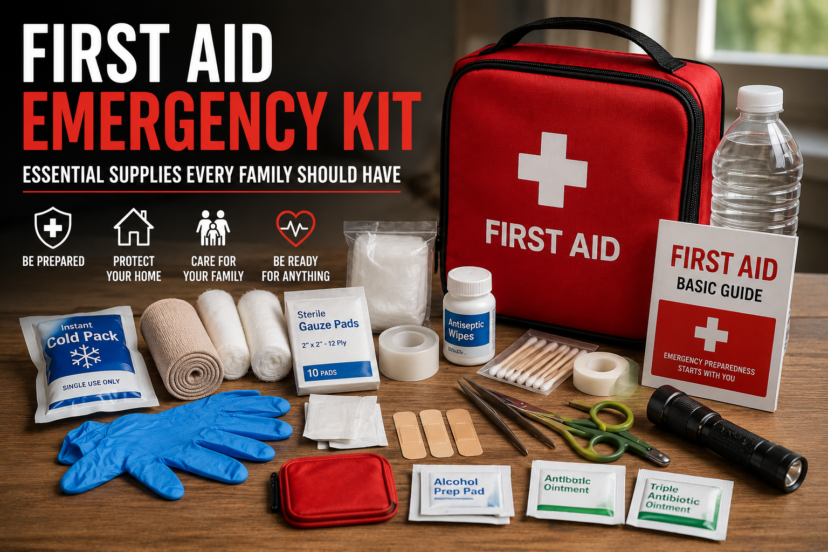
A complete first aid emergency kit should include adhesive bandages, sterile gauze, medical tape, antiseptic wipes, antibiotic ointment, disposable gloves, scissors, tweezers, pain relievers, emergency blankets, prescription medications, and a first aid guide. Store your kit in an easily accessible location and inspect it every six months.
Key Takeaways
Most likely cause: Most households don’t have a fully stocked first aid emergency kit, leaving them less prepared to handle minor injuries and medical emergencies.
Usually serious? It can be. While many cuts, burns, and sprains are minor, having the right supplies readily available allows you to provide immediate care and respond more effectively during emergencies.
First thing to check: Review your first aid emergency kit to make sure it contains essential medical supplies, prescription medications, and that all items are within their expiration dates.
Best solution: Build a complete first aid emergency kit with essential medical supplies, store it in an easy-to-access location, and inspect and restock it every six months so it’s always ready when needed.
🩹 Why Every Home Needs A First Aid Emergency Kit
Emergencies can happen without warning.
Common situations include:
- Power outages
- Severe storms
- Household injuries
- Vehicle accidents
- Camping trips
- Wildfires
- Flooding
- Winter weather emergencies
Having a first aid emergency kit nearby helps you:
- Treat minor injuries quickly
- Reduce stress during emergencies
- Stabilize injuries until help arrives
- Improve family preparedness
- Increase confidence during disasters
Preparedness isn’t about expecting the worst—it’s about being ready to respond calmly when unexpected situations occur.
🏥 Essential Supplies For A First Aid Emergency Kit
Every first aid emergency kit should contain supplies to manage common injuries.
Bandages And Dressings
Stock a variety of:
- Adhesive bandages
- Sterile gauze pads
- Rolled gauze
- Elastic bandages
- Butterfly closures
- Medical tape
These supplies help control bleeding and protect wounds from contamination.
Cleaning And Antiseptic Supplies
Keeping wounds clean reduces the risk of infection.
Include:
- Antiseptic wipes
- Alcohol prep pads
- Saline wound wash
- Antibiotic ointment
- Hand sanitizer
Clean hands before treating injuries whenever possible.
Medical Tools
Useful tools include:
- Medical scissors
- Tweezers
- Digital thermometer
- Instant cold packs
- Safety pins
- CPR face shield
- Small flashlight
These items allow you to respond to a variety of situations more effectively.
Disposable Protective Equipment
Protect both the injured person and the caregiver.
Include:
- Nitrile gloves
- Face masks
- Eye protection if available
Disposable gloves should be replaced after each use.
💊 Medications To Include
Your first aid emergency kit may also contain commonly used over-the-counter medications if appropriate for your household.
Examples include:
- Pain relievers
- Fever reducers
- Allergy medication
- Antacid tablets
- Anti-diarrheal medication
- Hydrocortisone cream
Also include an adequate supply of prescription medications as recommended by your healthcare provider.
Always monitor expiration dates.
🌪️ First Aid Emergency Kit Supplies For Severe Weather
Disasters often create additional medical needs.
Consider adding:
- Emergency blankets
- Extra bottled water
- Electrolyte packets
- Burn dressings
- Eye wash solution
- Dust masks
- Emergency whistle
These supplies can be especially valuable during hurricanes, tornadoes, wildfires, and winter storms.
🚗 Build Kits For Different Locations
One kit may not be enough.
Consider preparing:
Home Kit
Your largest and most complete kit.
Vehicle Kit
Useful for:
- Road trips
- Breakdowns
- Winter travel
- Storm evacuations
Workplace Kit
Helpful for unexpected emergencies while away from home.
Go Bag Kit
Keep a compact first aid emergency kit inside every emergency evacuation bag.
👨👩👧 Customize Your First Aid Emergency Kit
Every family has different needs.
Consider including:
- Infant supplies
- Children’s medications
- Prescription glasses
- Hearing aid batteries
- EpiPens® (if prescribed)
- Spare inhalers (if prescribed)
- Medical information cards
Label medications clearly and keep them organized.
🔋 Don’t Forget Other Emergency Essentials
A first aid emergency kit works best as part of a complete emergency preparedness plan.
Pair it with:
- Flashlights
- Emergency radio
- Portable phone charger
- Extra batteries
- Drinking water
- Non-perishable food
- Multi-tool
- Emergency blankets
Together, these supplies improve your ability to respond safely during disasters.
🧰 How To Store Your First Aid Emergency Kit
Choose a container that is:
- Durable
- Water-resistant
- Clearly labeled
- Easy to carry
Store your primary kit:
- In a cool, dry location
- Away from direct sunlight
- Out of reach of young children
- Easy for adults to access quickly
Everyone in the household should know where it’s located.
🔧 Maintain Your First Aid Emergency Kit
Prepared supplies stay useful.
Every six months:
- Replace expired medications.
- Restock used supplies.
- Inspect packaging.
- Replace damaged gloves.
- Test flashlights.
- Update medical information.
- Review emergency contacts.
Routine maintenance helps ensure your kit is ready whenever it’s needed.
🚫 Common First Aid Emergency Kit Mistakes
Avoid these common preparedness mistakes.
- Buying a kit but never opening it
- Forgetting prescription medications
- Ignoring expiration dates
- Storing supplies in damp areas
- Not replacing used items
- Keeping only one first aid kit
Preparedness improves when supplies remain organized and accessible.
🌟 Benefits Of A Well-Prepared First Aid Emergency Kit
A complete first aid emergency kit offers much more than medical supplies.
It provides:
- Greater peace of mind
- Faster response during injuries
- Better household preparedness
- Increased confidence
- Improved resilience during disasters
- Practical self-reliance
Small investments today can make a meaningful difference during future emergencies.
👨🔧 When To Consult A Professional
A first aid emergency kit is designed to help manage minor injuries and provide temporary care until professional assistance is available. Always seek immediate medical attention for severe bleeding, difficulty breathing, chest pain, broken bones, serious burns, head injuries, allergic reactions, poisoning, loss of consciousness, or other potentially life-threatening conditions. Contact emergency management officials during disasters, and consult licensed healthcare professionals with questions about medications, medical devices, or individualized emergency planning.
❓ FAQs: First Aid Emergency Kit
1. What should every first aid emergency kit contain?
Every kit should include bandages, gauze, antiseptic wipes, gloves, medical tape, scissors, tweezers, pain relievers, emergency blankets, and a basic first aid guide.
2. How often should I replace supplies in my first aid emergency kit?
Inspect your kit every six months and replace expired medications, damaged packaging, and any used supplies.
3. Where should I store my first aid emergency kit?
Store it in an easily accessible, cool, dry location where every family member knows how to find it.
4. Should I keep multiple first aid kits?
Yes. Many families benefit from having separate kits for the home, vehicle, workplace, and emergency go bags.
5. Can I build my own first aid emergency kit?
Absolutely. Building your own kit allows you to customize supplies for your family’s specific needs while often saving money.
6. Should prescription medications be included?
Yes, if appropriate. Include an adequate supply as recommended by your healthcare provider and rotate medications before they expire.
7. Is a store-bought first aid kit enough?
Many commercial kits provide a good starting point, but most households benefit from adding additional supplies based on family size, medical needs, and local hazards.
🎯 Final Thoughts
A well-stocked first aid emergency kit is one of the most practical investments you can make for your family’s safety and preparedness. You don’t need expensive equipment or advanced medical training to improve your readiness. By assembling essential supplies, maintaining them regularly, and keeping them within easy reach, you’ll be better prepared to handle everyday injuries and emergency situations with greater confidence.
Preparedness is built one step at a time. Every bandage, flashlight, and emergency supply you add today helps create a safer, more resilient future for the people you care about most.
Disclaimer: This article is provided for general educational and preparedness purposes only and is not a substitute for professional medical advice, diagnosis, or treatment. Emergency needs, medical conditions, regulations, and disaster risks vary by location. Always follow guidance from healthcare professionals, local emergency management officials, and product manufacturers, and seek immediate emergency care when serious injuries or medical emergencies occur.
 Explore more: