Emergency Food Storage Calculator: How Much Food Should A Family Store For Emergencies?
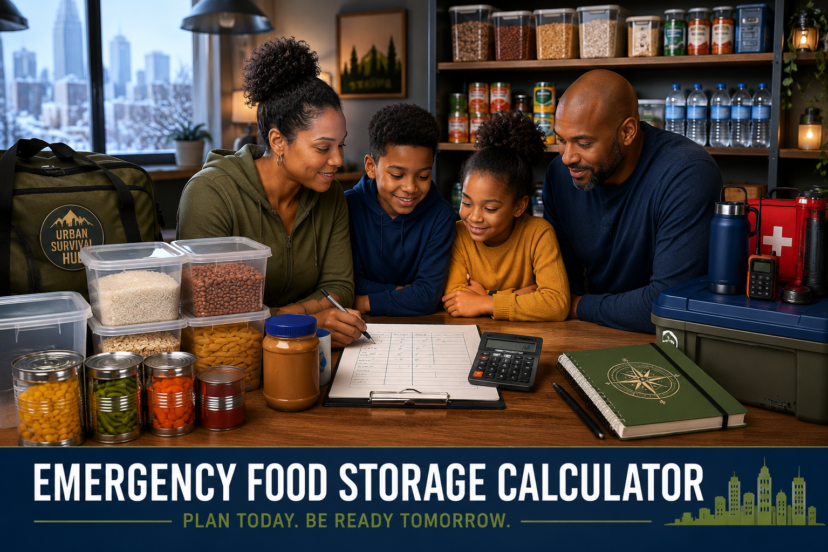
When severe weather, power outages, hurricanes, winter storms, wildfires, or supply chain disruptions strike, grocery store shelves can empty surprisingly fast. That’s why many families are asking the same question: How much food should we actually store? An emergency food storage calculator makes planning easier by helping you estimate the right amount of food based on the number of people in your household and the length of time you want to be prepared. Instead of guessing or buying too much, you can build a practical food supply that fits your family’s needs and budget.
The good news is that emergency food storage doesn’t require a bunker or years’ worth of supplies. By starting with realistic goals and choosing shelf-stable foods your family already enjoys, you can become more self-reliant, reduce stress during uncertain situations, and gain peace of mind knowing you’re prepared for everyday emergencies.
🍽️ Quick Answer: Emergency Food Storage Calculator
An emergency food storage calculator helps estimate how much food your household needs by multiplying the number of family members by the number of days you want to prepare for. Most preparedness experts recommend storing at least a 72-hour supply, while many families gradually expand to two weeks, one month, or even three months of shelf-stable food. Focus on foods your family regularly eats and rotate supplies to maintain freshness.
Key Takeaways
Most Likely Cause: Many families don’t know how much food to store because they lack a simple emergency food storage calculator or preparedness plan.
Usually Serious? Food shortages during disasters can increase stress and make emergency situations more difficult.
First Thing To Check: Count how many people (and pets) you’ll be storing food for and decide how many days you want your emergency supply to last.
Best Solution: Build your emergency pantry gradually using shelf-stable foods your family already enjoys while rotating supplies regularly.
🏠 Why Every Family Should Plan Food Storage
Emergencies often interrupt normal grocery shopping. Even a three-day power outage can create long lines, empty shelves, and limited supplies.
Common situations include:
- Hurricanes
- Winter storms
- Tornadoes
- Wildfires
- Flooding
- Extended power outages
- Supply chain disruptions
- Public health emergencies
A well-stocked pantry provides security, reduces panic buying, and allows your family to stay home safely when travel becomes dangerous.
📊 How An Emergency Food Storage Calculator Works
An emergency food storage calculator is surprisingly simple.
It estimates food based on:
- Number of people
- Number of days
- Daily calorie needs
- Household preferences
- Special dietary requirements
While exact calorie needs vary, many preparedness planners estimate approximately:
- Adult: 2,000–2,500 calories per day
- Teenager: 1,800–2,500 calories
- Child: 1,200–1,800 calories
Rather than focusing only on calories, include balanced nutrition from proteins, carbohydrates, healthy fats, fruits, and vegetables.
🥫 How Much Food Should You Store?
Three-Day Emergency Supply
Every household should begin here.
Include enough food for:
- 3 breakfasts
- 3 lunches
- 3 dinners
- Snacks
- Drinking water
This covers most short-term emergencies.
Two-Week Supply
A two-week pantry provides extra protection during longer outages or severe storms.
You’ll have greater flexibility if stores remain closed.
One-Month Supply
Many preparedness experts consider one month an excellent long-term goal.
This provides time for:
- Supply chains to recover
- Roads to reopen
- Utility restoration
- Insurance claims
Three-Month Supply
Families seeking greater resilience often build toward a three-month pantry over time.
There’s no need to purchase everything at once.
🍚 Best Foods To Include
Choose foods with long shelf lives that require little preparation.
Excellent options include:
Grains
- Rice
- Pasta
- Oats
- Instant potatoes
Protein
- Canned chicken
- Tuna
- Salmon
- Peanut butter
- Beans
- Lentils
Fruits And Vegetables
- Canned vegetables
- Canned fruit
- Freeze-dried fruit
- Applesauce
Dairy
- Powdered milk
- Shelf-stable milk
Snacks
- Crackers
- Granola bars
- Trail mix
- Nuts
Cooking Essentials
- Salt
- Sugar
- Cooking oil
- Coffee
- Tea
- Spices
Store foods your family already enjoys to reduce waste and make rotation easier.
💧 Don’t Forget Water
Food alone isn’t enough.
The general recommendation is:
- One gallon of water per person per day
- Minimum of three days
- Two weeks or longer if possible
Water is needed for:
- Drinking
- Cooking
- Hygiene
- Medical needs
Also consider:
- Water filters
- Purification tablets
- Collapsible containers
📦 How To Build Your Food Supply On A Budget
Preparedness doesn’t require spending hundreds of dollars in one shopping trip.
Try adding:
- Two extra cans each grocery visit
- One bag of rice
- One jar of peanut butter
- Extra pasta
- Shelf-stable soup
Within a few months, your pantry will grow significantly.
Buying during sales also reduces costs.
🔄 Rotate Your Emergency Pantry
Food storage isn’t a one-time project.
Follow the “First In, First Out” method.
That means:
- Eat the oldest food first.
- Replace it with newly purchased items.
- Check expiration dates twice a year.
This keeps your pantry fresh while reducing waste.
👨👩👧 Adjust For Your Family’s Needs
Every household is different.
Remember to include:
Babies
- Formula
- Baby food
- Snacks
Seniors
- Soft foods
- Low-sodium options
- Medical nutrition products if needed
Medical Diets
- Gluten-free foods
- Diabetic-friendly foods
- Allergy-safe options
Pets
Don’t forget:
- Pet food
- Water
- Medications
- Treats
⚡ Foods That Require Little Or No Cooking
Power outages may limit cooking options.
Choose foods such as:
- Peanut butter
- Crackers
- Protein bars
- Canned meats
- Ready-to-eat cereal
- Shelf-stable milk
- Dried fruit
- Nuts
If cooking is required, consider:
- Camp stove (used outdoors only)
- Portable butane stove
- Solar oven
- Charcoal grill (outdoors only)
Never use fuel-burning cooking equipment indoors due to carbon monoxide risks.
🛒 Common Food Storage Mistakes
Avoid these beginner mistakes:
- Buying foods nobody eats
- Forgetting a manual can opener
- Ignoring expiration dates
- Storing food in hot garages
- Forgetting drinking water
- Not accounting for pets
- Buying everything at once
- Failing to rotate supplies
Preparedness should simplify emergencies—not create unnecessary waste.
📍 Where Should You Store Emergency Food?
Choose locations that remain:
- Cool
- Dry
- Dark
- Pest-free
Good storage areas include:
- Pantry
- Interior closet
- Basement (if dry)
- Shelving inside climate-controlled rooms
Avoid:
- Attics
- Hot garages
- Outdoor sheds
- Damp crawl spaces
Proper storage helps food last much longer.
🌎 Plan For Local Emergencies
Your food supply should reflect the hazards common in your region.
For example:
Hurricane Areas
Prepare for longer power outages and road closures.
Wildfire Regions
Keep a portable emergency food kit ready for evacuation.
Snow States
Store additional comfort foods and hot beverages for extended indoor stays.
Earthquake Zones
Secure shelving and store food in durable containers.
Local risks should influence both the quantity and type of food you store.
👨🔧 When To Consult A Professional
Some preparedness decisions require expert advice. Follow recommendations from your local emergency management agency regarding disaster planning, evacuation routes, and emergency alerts. Consult healthcare professionals before storing specialized medical foods, infant nutrition, or supplies for chronic health conditions. If you’re installing backup generators, propane systems, or other emergency power equipment to support food storage, work with licensed electricians or qualified technicians. During severe disasters or public health emergencies, always follow guidance from local officials and emergency responders.
❓ Frequently Asked Questions
How much food should a family store for emergencies?
Most experts recommend beginning with at least a three-day food supply and gradually expanding to two weeks, one month, or longer as your budget allows.
What foods last the longest?
Rice, beans, pasta, oats, canned meats, canned vegetables, peanut butter, and freeze-dried foods generally have long shelf lives when stored properly.
How often should emergency food be replaced?
Check expiration dates every six months and rotate older items into your regular meals before replacing them.
How much water should I store with emergency food?
Store at least one gallon of water per person per day for a minimum of three days.
Is freeze-dried food necessary?
No. Freeze-dried meals are convenient but not required. Many grocery store foods work well for emergency preparedness.
Can I keep emergency food in my garage?
Only if temperatures remain cool and stable. Extreme heat or freezing temperatures can shorten food shelf life.
What’s the easiest way to build an emergency pantry?
Purchase a few extra shelf-stable items during every grocery trip. Building your pantry gradually is affordable and easier to maintain.
🎯 Final Thoughts On Emergency Food Storage Calculator
Using an emergency food storage calculator removes the guesswork from emergency preparedness and helps families build a practical food supply without overspending. Whether your goal is preparing for a three-day power outage or creating a month-long emergency pantry, every extra meal you store increases your family’s resilience and confidence.
Preparedness isn’t about fear—it’s about giving yourself options. Start small, choose foods your family already enjoys, rotate your supplies regularly, and expand your pantry over time. Every can, every bag of rice, and every gallon of water brings you one step closer to greater self-reliance and peace of mind when unexpected situations arise.
⚠️ Disclaimer
This article is for general educational and preparedness purposes only and should not be considered professional emergency, medical, legal, or safety advice. Emergency food needs, dietary requirements, local hazards, and regulations vary by household and location. Always follow guidance from local emergency management officials, healthcare providers, and other qualified professionals, and store food and emergency supplies according to manufacturer instructions and applicable laws.
 Explore more: