Non-Perishable Foods: Best Pantry Staples To Keep For Emergencies
When severe weather, power outages, supply chain disruptions, or unexpected emergencies happen, one of the biggest sources of stress is worrying about food. Whether it’s a hurricane along the Gulf Coast, a winter storm in the Midwest, wildfire evacuations in the West, or simply empty grocery shelves during a crisis, having a well-stocked pantry can provide peace of mind. The good news is that building an emergency food supply doesn’t require expensive survival kits or years of preparation. By choosing the right non-perishable foods, everyday families can become more self-reliant, reduce anxiety, and feel confident knowing they can care for themselves during difficult situations.
A practical pantry is one of the simplest and most affordable preparedness steps you can take today.
⭐ Quick Answer: Non-Perishable Foods
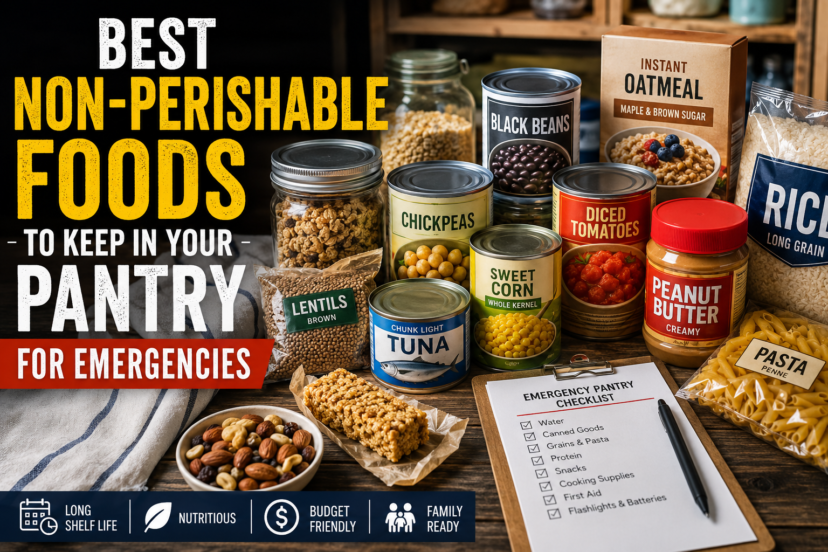
The best non-perishable foods for emergencies include canned proteins, beans, rice, pasta, peanut butter, oats, canned fruits and vegetables, shelf-stable milk, soups, and freeze-dried foods. These foods have long shelf lives, require minimal preparation, and help families stay nourished during power outages, storms, and supply disruptions.
Key Takeaways
Most likely cause: Many households don’t keep enough non-perishable food on hand to remain self-sufficient during emergencies or temporary supply disruptions.
Usually serious? It can be. Running out of easy-to-store food during a disaster or extended power outage can increase stress and make it harder to meet your family’s basic nutritional needs.
First thing to check: Review your pantry to see how many days your current non-perishable food supply would last, and check expiration dates and storage conditions.
Best solution: Stock a variety of long-lasting, nutritious foods such as canned proteins, beans, rice, pasta, oats, peanut butter, shelf-stable milk, and freeze-dried meals, then rotate your inventory regularly to keep it fresh and ready.
🥫 Why Non-Perishable Foods Matter During Emergencies
Non-perishable foods are items that can be safely stored for extended periods without refrigeration. They play a critical role in emergency preparedness because they provide reliable nutrition when access to fresh food becomes limited.
Common situations where these foods become valuable include:
- Hurricanes
- Winter storms
- Wildfires
- Tornadoes
- Flooding
- Extended power outages
- Supply chain disruptions
- Temporary job loss
- Community emergencies
A stocked pantry helps families avoid panic buying and gives them confidence during uncertain times.
Benefits Of Keeping Non-Perishable Foods
- Greater Peace Of Mind
- Reduced Emergency Stress
- Lower Grocery Costs Through Bulk Buying
- Better Family Preparedness
- Increased Self-Reliance
- Less Dependence On Last-Minute Shopping
⚡ Characteristics Of The Best Non-Perishable Foods
Not every shelf-stable item is equally useful during an emergency.
Look for foods that are:
Long Lasting
Many emergency pantry staples last one to several years.
Easy To Prepare
Some emergencies may involve power outages, so foods requiring little cooking are ideal.
Nutrient Dense
Choose foods that provide protein, carbohydrates, healthy fats, vitamins, and minerals.
Affordable
Preparedness should fit within a normal household budget.
Familiar To Your Family
Stock foods your household already enjoys. Emergencies are stressful enough without introducing unfamiliar meals.
🍚 Best Non-Perishable Foods For Emergency Preparedness
Canned Beans
Beans provide protein, fiber, and carbohydrates.
Popular options include:
- Black Beans
- Kidney Beans
- Pinto Beans
- Chickpeas
Many can be eaten directly from the can if necessary.
Rice
White rice stores exceptionally well and serves as an inexpensive foundation for many meals.
Types include:
- Long-Grain Rice
- Jasmine Rice
- Instant Rice
Pasta
Pasta is inexpensive, filling, and easy to prepare.
Pair it with:
- Canned Meat
- Jarred Sauce
- Canned Vegetables
Oatmeal
Oats provide long-lasting energy and can be prepared with water or shelf-stable milk.
Peanut Butter
Peanut butter delivers:
- Protein
- Healthy Fats
- Calories Needed During Emergencies
It also requires no refrigeration until opened.
Canned Fruits
Canned fruits help provide vitamins and variety.
Good choices include:
- Peaches
- Pears
- Pineapple
- Mixed Fruit
Canned Vegetables
Vegetables offer nutrients that may be difficult to obtain during emergencies.
Examples include:
- Green Beans
- Corn
- Carrots
- Peas
Shelf-Stable Milk
Shelf-stable milk and powdered milk can be valuable when fresh dairy products are unavailable.
Soups And Stews
Ready-to-eat soups are convenient during storms and power outages.
Crackers And Whole-Grain Snacks
These foods provide quick energy and pair well with canned proteins.
Dried Beans
Although they require cooking, dried beans store for years and are highly economical.
Instant Mashed Potatoes
They require little preparation and can help stretch meals.
Freeze-Dried Foods
Freeze-dried meals often last decades and are popular among emergency preparedness enthusiasts.
Granola Bars
Granola bars are useful for:
- Evacuations
- Travel Emergencies
- Grab-And-Go Emergency Kits
Honey
Honey naturally has an extremely long shelf life.
Nuts And Trail Mix
These foods provide healthy fats and calories that can support energy needs.
🥩 Protein-Rich Non-Perishable Foods To Consider
Protein becomes especially important during stressful situations.
Excellent options include:
- Canned Chicken
- Canned Tuna
- Canned Salmon
- Peanut Butter
- Beans
- Lentils
- Beef Jerky
- Shelf-Stable Protein Drinks
These foods help maintain energy and support overall nutrition.
🌪️ Building A Pantry For Different U.S. Emergencies
Hurricane Preparedness
Residents in Florida, Texas, and Gulf Coast states often prepare for several days without electricity.
Focus on:
- Ready-To-Eat Foods
- Bottled Water
- Canned Meals
- Peanut Butter
Winter Storm Preparedness
Snowstorms can isolate families for days.
Helpful supplies include:
- Oatmeal
- Soups
- Pasta
- Shelf-Stable Milk
Wildfire Preparedness
Wildfire evacuations may happen quickly.
Keep:
- Granola Bars
- Trail Mix
- Canned Foods
- Portable Snacks
Supply Chain Disruptions
Maintaining a rotating pantry allows families to handle temporary shortages without panic.
💰 Budget-Friendly Ways To Build Emergency Food Storage
Preparedness doesn’t need to happen all at once.
Try these strategies:
Buy A Few Extra Items Weekly
Adding just two or three pantry items during normal grocery trips can build supplies over time.
Rotate What You Eat
Use older products first and replace them regularly.
Watch Sales
Bulk discounts can help lower costs.
Avoid Panic Buying
Slow, consistent preparation is usually more affordable and practical.
Store Foods Properly
Keep supplies in:
- Cool Areas
- Dry Locations
- Pest-Free Spaces
Proper storage helps maximize shelf life.
🏠 How Much Emergency Food Should Families Keep?
Many emergency management organizations recommend maintaining at least several days of food and water.
A practical goal for many households is:
Three-Day Supply
Useful for short-term emergencies and evacuations.
Two-Week Supply
Provides additional security during major storms or extended outages.
One-Month Supply
Offers greater resilience during supply disruptions and widespread emergencies.
Build gradually according to:
- Family Size
- Budget
- Storage Space
- Dietary Needs
🔄 Rotate Your Non-Perishable Foods Regularly
Emergency food storage works best when it becomes part of everyday life.
Simple rotation tips:
- Check expiration dates twice yearly.
- Use the oldest products first.
- Replace used items immediately.
- Label storage containers.
- Keep an inventory list.
A rotating pantry prevents waste and keeps supplies fresh.
🧰 Additional Emergency Supplies To Pair With Non-Perishable Foods
Food is only one piece of preparedness.
Consider adding:
- Bottled Water
- Manual Can Opener
- Flashlights
- Batteries
- First Aid Kit
- Portable Phone Chargers
- Prescription Medications
- Emergency Radio
These items work together to improve overall readiness.
👨🔧 When To Consult A Professional
Seek guidance from qualified professionals when dealing with severe disasters, utility outages, water contamination concerns, food safety questions, or medical conditions requiring specialized diets.
Always follow instructions from:
- Local Emergency Management Agencies
- FEMA Alerts
- Healthcare Providers
- Licensed Electricians
- Licensed Plumbers
- Utility Companies
- Fire Departments
Professional guidance should always take priority during dangerous situations.
❓ FAQs: Non-Perishable Foods
What foods last the longest in storage?
White rice, dried beans, honey, pasta, oats, and freeze-dried foods often have very long shelf lives when stored properly.
What are the best non-perishable foods for power outages?
Ready-to-eat foods such as canned meats, peanut butter, granola bars, canned fruits, and crackers are excellent choices.
How much emergency food should a family of four keep?
Many families aim for at least several days to two weeks of food while gradually building larger reserves.
Can canned food go bad?
Canned foods can eventually lose quality. Always inspect cans for rust, leaks, bulging, or damage before use.
Should I buy expensive survival food kits?
Not necessarily. Many affordable grocery store items provide excellent emergency preparedness value.
What foods require no cooking?
Peanut butter, canned meats, canned fruits, crackers, granola bars, nuts, and ready-to-eat soups are good options.
How often should emergency food be rotated?
Checking supplies every six months helps ensure freshness and reduces waste.
✅ Final Thoughts
Preparing for emergencies doesn’t require fear, huge expenses, or becoming a survival expert. Building a supply of non-perishable foods is a practical step that helps families become more resilient, reduce stress, and gain confidence during uncertain times.
Even small actions matter. Adding a few pantry staples each week can gradually create a reliable emergency food supply that protects your family and provides valuable peace of mind.
Preparedness isn’t about expecting the worst—it’s about making everyday life a little safer and a lot less stressful.
Disclaimer
This article is for general educational and preparedness purposes only. Emergency needs, local regulations, weather risks, and household requirements may vary. Always follow local laws, official guidance, manufacturer instructions, and recommendations from qualified professionals when making preparedness decisions.
 Explore more: