72-Hour Emergency Kit: Beginner’s Guide To Building One For Your Family
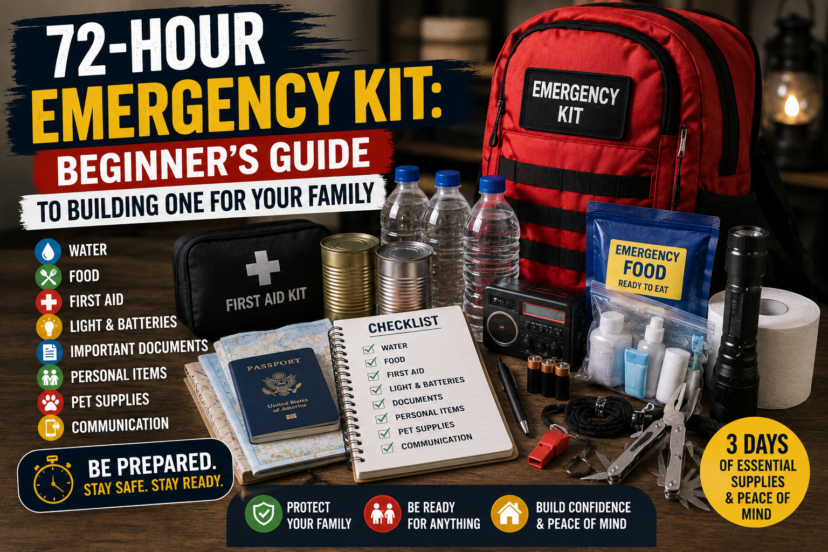
Natural disasters and unexpected emergencies can happen anywhere in the United States. Hurricanes, winter storms, wildfires, tornadoes, and extended power outages have shown many families how quickly normal life can change. The good news is that you don’t need expensive gear or survival training to become better prepared. A simple 72-hour emergency kit can provide peace of mind, reduce stress, and help your family stay safe during the first critical days of an emergency.
Quick Answer
A 72-hour emergency kit contains enough essential supplies to support each family member for at least three days. It should include water, food, first aid supplies, flashlights, medications, important documents, and other emergency essentials.
🚨 Why Every Family Needs A 72-Hour Emergency Kit
Emergency responders may not always reach affected areas immediately.
After:
- Hurricanes
- Wildfires
- Flooding
- Winter storms
- Major power outages
Families may need to rely on their own supplies temporarily.
A 72-hour emergency kit helps:
- Reduce panic
- Improve safety
- Increase self-reliance
- Protect children and seniors
- Provide greater peace of mind
🎒 What Is A 72-Hour Emergency Kit?
A 72-hour emergency kit, sometimes called a bug-out bag or disaster kit, contains enough supplies to meet your family’s basic needs for three days.
The kit should be:
- Portable
- Easy to access
- Stored in a safe location
- Updated regularly
💧 Water: The Most Important Supply
Water should always come first.
Experts generally recommend:
- One gallon per person per day
- Minimum of three days
For a family of four:
- At least 12 gallons
Don’t forget pets when calculating water needs.
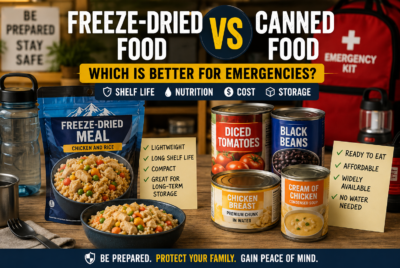
🥫 Food To Include In A 72-Hour Emergency Kit
Choose shelf-stable foods that require little preparation.
Examples include:
- Protein bars
- Peanut butter
- Trail mix
- Crackers
- Canned soup
- Tuna packets
- Granola bars
- Dried fruit
Avoid foods that require refrigeration.
🔦 Essential Supplies Every 72-Hour Emergency Kit Should Include
Flashlights
Battery-powered flashlights are safer than candles.
Extra Batteries
Store spare batteries in sealed containers.
Portable Phone Chargers
Power banks help maintain communication.
Battery-Powered Radio
Weather alerts and emergency information remain accessible even without internet service.
Multi-Tool
Useful for many situations.
Emergency Blankets
Compact and inexpensive.
Whistle
Helpful for signaling rescuers.
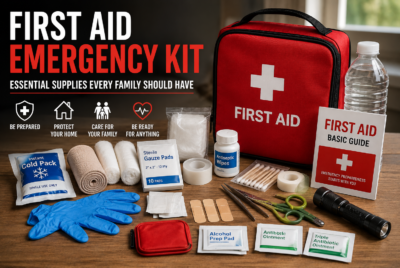
🩹 First Aid Supplies
Every 72-hour emergency kit should include:
- Adhesive bandages
- Gauze pads
- Medical tape
- Antiseptic wipes
- Pain relievers
- Gloves
If family members have medical conditions, customize supplies accordingly.
💊 Medications And Personal Needs
Many people overlook prescription medications.
Include:
- Copies of prescriptions
- Essential medications
- Reading glasses
- Hearing aid batteries
Personal hygiene items should include:
- Toothbrushes
- Toothpaste
- Soap
- Wet wipes
- Toilet paper
📄 Important Documents To Protect
Store copies of:
- Driver’s licenses
- Insurance policies
- Medical information
- Emergency contacts
- Birth certificates
Waterproof containers or sealed bags can help protect documents.
🐶 Don’t Forget Pets
Pets are family too.
Include:
- Pet food
- Water
- Leashes
- Medications
- Waste bags
Emergency shelters may have different pet policies, so plan ahead.
🌎 Better Urban Survival Strategies
A 72-hour emergency kit works best when combined with:
A Family Emergency Plan
Discuss:
- Meeting locations
- Evacuation routes
- Emergency contacts
Emergency Water Storage
Store additional water supplies at home.
Food Storage
Longer-term food supplies provide additional security.
Backup Power Supplies
Portable chargers and batteries can make a huge difference during outages.
⚡ Common 72-Hour Emergency Kit Mistakes
Waiting Too Long To Prepare
Build your kit before disaster season arrives.
Forgetting Medications
Prescription needs are often overlooked.
Ignoring Pets
Include supplies for all family members.
Failing To Rotate Supplies
Inspect your kit every six to twelve months.
Making The Kit Too Heavy
A portable emergency kit should remain manageable.
🏠 Where Should You Store A 72-Hour Emergency Kit?
Good locations include:
- Hall closets
- Bedrooms
- Mudrooms
- Near exits
Some families keep additional kits in:
- Vehicles
- RVs
- Workplaces
Easy access matters.
💰 Building A 72-Hour Emergency Kit On A Budget
Preparedness doesn’t need to be expensive.
Start with:
- Water
- Food
- Flashlights
- Batteries
- First aid supplies
Add a few items during each shopping trip.
Small steps can create a complete emergency kit over time.
👨⚕️ When To Consult A Professional
Seek guidance from qualified professionals when necessary.
Examples include:
- Emergency management officials during evacuations
- Medical professionals regarding health conditions
- Doctors for medication planning
- Licensed electricians after severe storm damage
- Licensed plumbers after flooding
Always follow official safety recommendations.
❓ FAQs: 72-Hour Emergency Kit
What should be in a 72-hour emergency kit?
Water, food, first aid supplies, medications, flashlights, batteries, and important documents are essential.
Why is it called a 72-hour emergency kit?
The supplies are designed to support basic needs for approximately three days.
How much water should I include?
Experts generally recommend one gallon per person per day.
Where should I store my emergency kit?
Keep it somewhere easy to access, such as a closet or near an exit.
How often should I update my emergency kit?
Check and update supplies every six to twelve months.
Should I include cash?
Keeping some emergency cash may be helpful when electronic payment systems fail.
Is a 72-hour emergency kit expensive?
No. Most families can build one gradually while staying within their budget.
📌 Final Thoughts
Building a 72-hour emergency kit is one of the simplest ways to improve your family’s preparedness. You don’t need to become a survival expert or spend thousands of dollars.
Start small. Add one or two items each week. Over time, those small steps can provide greater peace of mind, improve self-reliance, and help protect the people who matter most.
Disclaimer: This article is for general educational purposes only. Emergency needs, local regulations, and disaster risks may vary by location. Always follow official guidance, local laws, and manufacturer instructions when applicable.
 Explore more: